
Print Catalogues in Minutes and Smarter Buyer Matching
Two new Frisbee tools for spring sales: generate a print-ready sale catalogue from your event, and see which lots each buyer is most likely to want.
Spring sale season is close enough to see now. If you’re selling rams in August or September, the next few weeks are when the catalogue gets built, the buyer calls start, and the small jobs pile up.
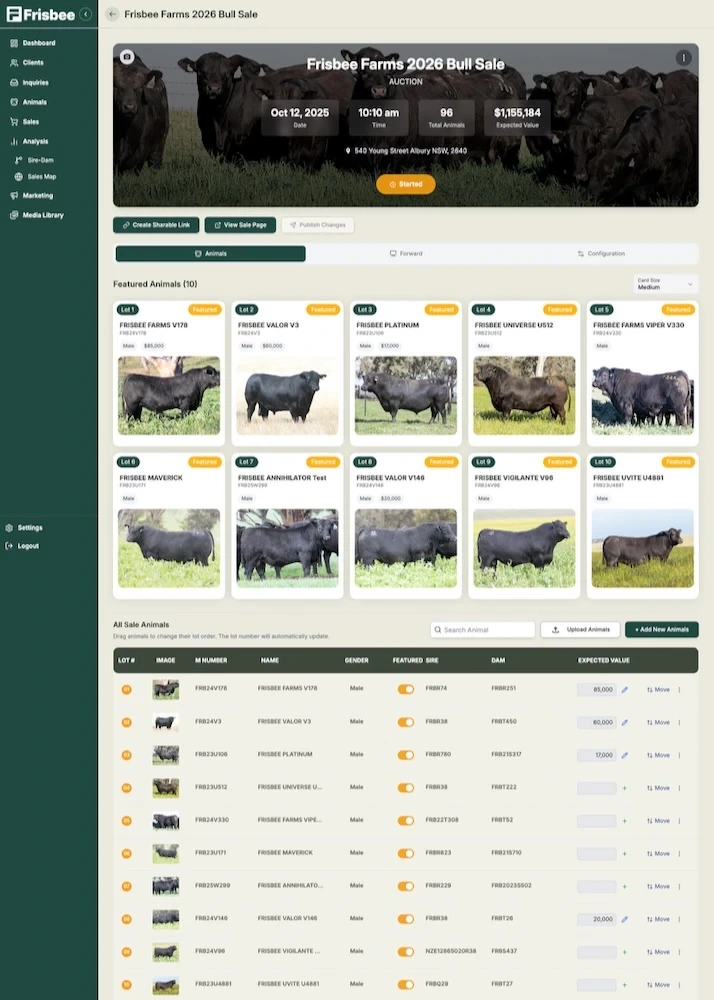
Two new Frisbee features are live to take a real chunk of that work off your plate: a print-ready sale catalogue generator that builds your catalogue directly from your sale event, and suggested lots for buyers, which reads each client’s purchase history and tells you which lots in your upcoming sale they’re most likely to be interested in.
Both are part of the platform now. No add-ons, no separate tools.
The Catalogue, Straight From Your Sale Event
We’ve written before about why a digital sale catalogue beats a PDF for reach and buyer engagement. That’s still true. But most sales still want a printed catalogue — for the mail-out, for the seats on sale day, for the buyer who does their shortlisting with a pen.
The old way to get one meant exporting your data, sending it to a designer or wrestling with a Word template, then proofreading every EBV and pedigree by hand — and doing it all again when a lot changed. It’s days of work, and the catalogue is out of date the moment an animal is scratched or a figure is corrected.
The new catalogue generator collapses that into one screen inside your sale event:
- Your lots flow in automatically. The catalogue is built from the same sale event data that powers your public sale page — lot order, photos, pedigrees, EBVs, and notes. Nothing is retyped, so nothing can be mistyped.
- A live A4 preview. You see the actual pages as you work — what you’re looking at is what comes off the printer.
- Layout choices without a designer. Toggle photos, pedigree detail, and notes to suit your sale, and the preview updates instantly with a running page count.
- Print or save as PDF. When it looks right, print it — send the PDF to your printer for the mail-out run, or drop it on the bar table on inspection day.
- Data changes? Refresh. Scratch a lot, update a price, fix a figure — hit refresh and the catalogue rebuilds from the current data. Reprinting a corrected catalogue costs you minutes, not another round with the designer.
The point isn’t just saved time, although the time saving is real. It’s that your print catalogue, your public sale page, and your records now all come from the same source of truth. When a buyer rings about Lot 14, the figures they read in print are the figures in your system.
Suggested Lots: Know What Each Buyer Wants Before You Ring Them
The second feature answers a question every stud principal carries around in their head before a sale: who do I call, and about which animals?
Good operators already know their top ten clients cold. But most buyer databases are longer than ten names, and the knowledge of what the twentieth or fortieth buyer likes tends to live in one person’s memory — if it lives anywhere at all.
Frisbee now does that thinking across your whole client list. Open any client’s profile and you’ll see suggested lots from your upcoming sale, scored against what that buyer has actually done in the past:
- Bloodlines first. If a buyer has repeatedly bought sons of a particular sire, lots by that sire — or out of dams they’ve favoured — rise to the top. Pedigree affinity is the strongest signal in the match, because it’s the strongest signal in real buying behaviour.
- Budget fit second. The suggestions weigh each lot’s price against what that client typically spends, so you’re not pitching your $15,000 lead ram to a buyer whose history says $3,000, or wasting your opening lots on a buyer who always goes top-shelf.
- Only genuine matches. If nothing in the sale genuinely fits a client, Frisbee says so rather than padding the list. A short, honest shortlist beats a long, hopeful one.
What you do with it is the old-fashioned part, and that’s deliberate. The feature doesn’t email anyone on your behalf. It gives you, or your stock agent, a reason to make a better phone call: “Lot 8 is by the same sire as the two rams you took last year, and he’s in your range — worth a look before Friday.” That call lands very differently to a generic sale reminder.
If you’ve been building out your client records — purchase history, contact details, notes — this is where that work starts paying you back. And if you haven’t, our guide to running a buyer database properly is the place to start.
The Small Things That Save You on Sale Week
A couple of quieter improvements shipped alongside the headline features, and they matter most in the frantic last week before a sale:
A readiness check before you publish. When you go to publish your public sale page, Frisbee now flags the gaps first — so the catalogue that goes out to buyers isn’t missing the things you’d have spotted a day too late.
Clean withdrawals. When an animal has to come out of a sale — an injury, a failed inspection, a change of plan — you can now withdraw it properly. The lot is clearly marked rather than quietly deleted, so your records stay honest and buyers aren’t left chasing an animal that’s no longer on offer.
Pulling It Together for Spring
If you’re running a spring sale, here’s how the pieces now fit in the lead-up:
- Build the sale event in Frisbee — lots, photos, figures, prices.
- Publish the public sale page once the readiness check comes back clean, and share one link everywhere.
- Generate the print catalogue from the same event for the mail-out and sale day.
- Work the phones with suggested lots — start with your best clients, and let the match scores surface the buyers further down the list you’d otherwise never get to.
- Watch the engagement signals from your digital catalogue — favourites and analytics — and follow up where the interest is real.
Preparation that used to be spread across a designer, a spreadsheet, and one person’s memory now lives in one place, working from one set of records.
See It on Your Own Sale
Both features are live now for Frisbee users — open a sale event and you’ll find the catalogue generator in your sale tools, and suggested lots waiting on your client profiles.
Not on Frisbee yet? Book a free demo and we’ll build a sample catalogue from your own animals while you watch — it takes about ten minutes. Or start a free trial and have your spring sale catalogue drafted this week.
Related reading:
Tagged
Run a sharper stud, on one platform.
Genetics, sales, clients and marketing — without the spreadsheet sprawl. Built for Australian cattle and sheep producers.
Get started with FrisbeeKeep reading
View all →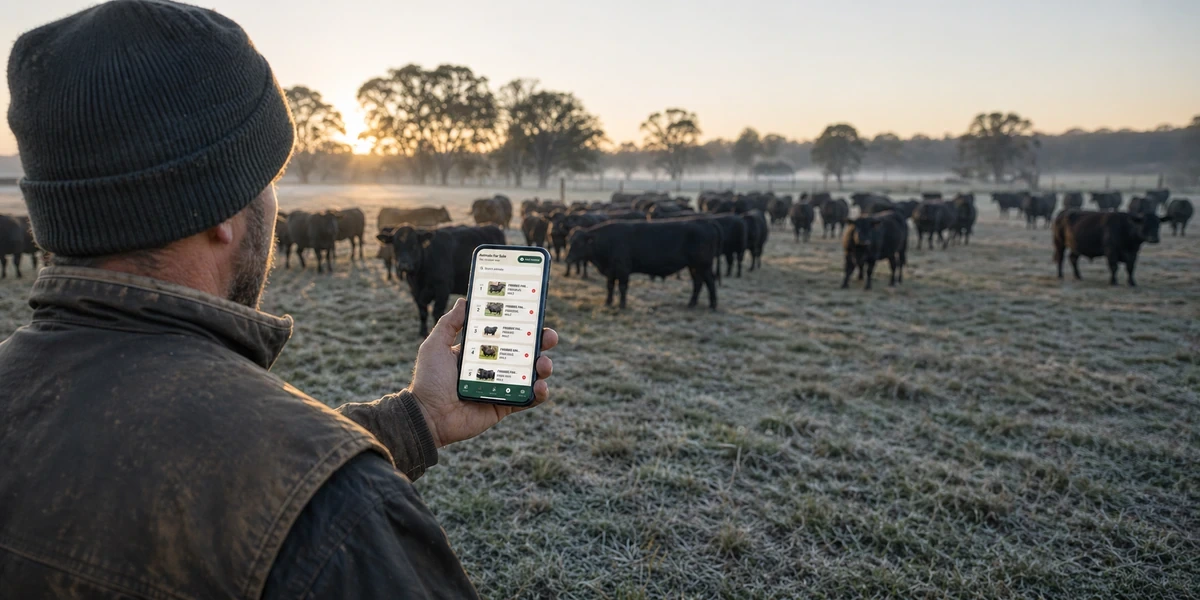
Know Who's Watching: Buyer Favourites and Sale Catalogue Analytics
Frisbee digital sale catalogues let buyers save favourite lots and add notes, so you can see which lots draw attention before sale day.

AI Email Generation: Better Sale Emails in Minutes
Frisbee's AI email generation helps stud breeders write professional sale announcements, client follow-ups, and seasonal campaigns in minutes.
Frisbee iOS App Now Live: Manage Your Stud From Your iPhone
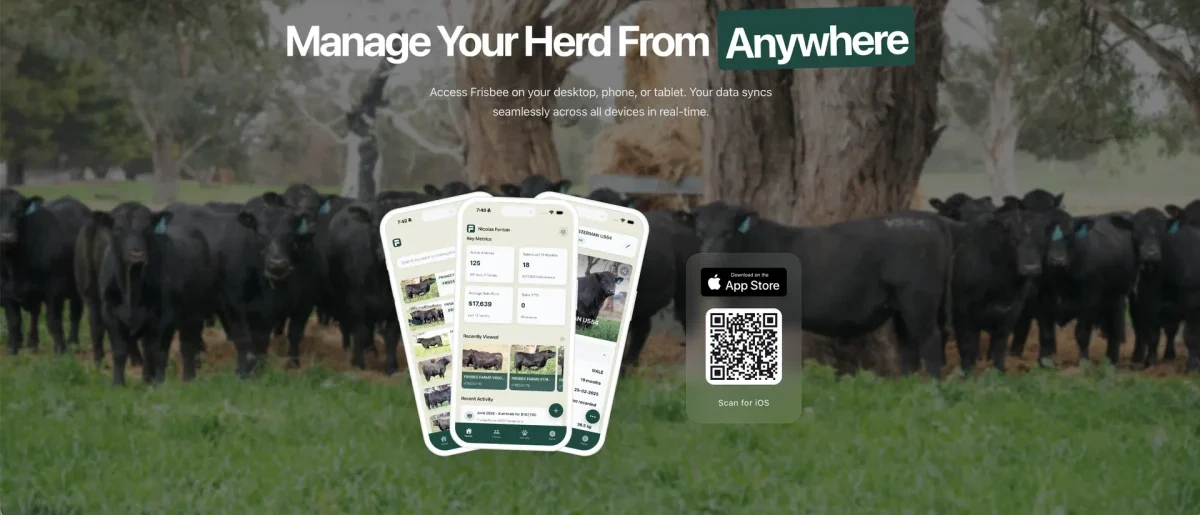
The Frisbee iOS app is now on the App Store. Record weights, capture photos, and manage your herd from anywhere on your property, no laptop needed.
Run your stud on Frisbee
CRM, sale catalogues, and marketing campaigns in one place, purpose-built for Australian cattle and sheep studs.
14-day free trial · No credit card required