
Building a Buyer Database: CRM for Livestock Producers
Your buyer list is your stud's most valuable marketing asset. How to build, segment, and nurture a buyer database that drives repeat sales.
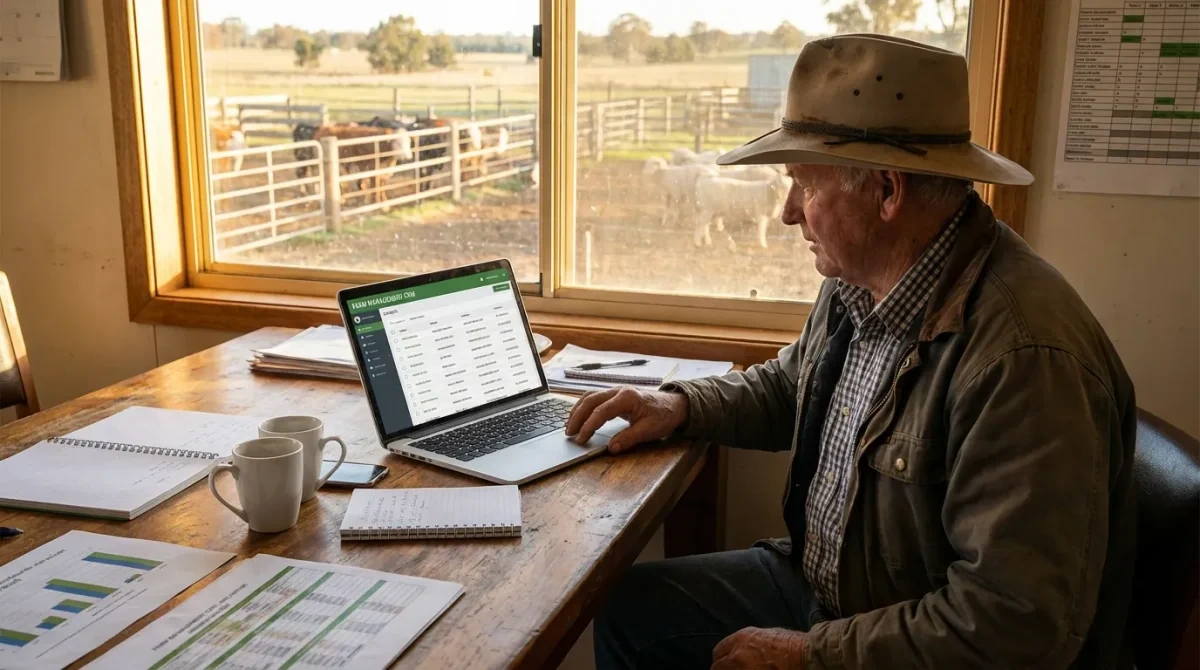
Your buyer database may be your stud’s most valuable marketing asset after the genetics themselves. Industry research indicates repeat buyers convert at 3-5 times the rate of new prospects, while the cost of acquiring a new buyer is 5-10 times higher than retaining an existing one. Top-performing studs report 70-80% of annual revenue from repeat purchasers.
Ask any successful stud breeder what sets their operation apart, and genetics will feature prominently. But press further, and you’ll hear about relationships. Buyers who return year after year. Commercial producers who recommend their genetics to neighbours. Repeat clients who’ve purchased for a decade or more.
These relationships don’t happen by accident. They’re built systematically, nurtured consistently, and managed professionally. At the heart of this is your buyer database - arguably your stud’s most valuable marketing asset after the genetics themselves.
This guide covers how to build, maintain, and leverage a buyer database that transforms one-time purchasers into long-term clients.
Why Your Buyer List Is Your Most Valuable Asset
Consider what your buyer database represents:
Proven demand: Every contact has already shown interest in genetics like yours. They’re not cold prospects – they’re warm leads with demonstrated relevance.
Reduced acquisition cost: Reaching existing contacts costs a fraction of finding new buyers. Email to your database costs almost nothing compared to advertising to find new audiences.
Higher conversion: Buyers who know you, trust you, and have experienced your genetics convert at far higher rates than first-time prospects.
Compounding value: Unlike assets that depreciate, a well-maintained buyer database grows in value. Each new relationship adds to your reach and reputation.
Independence: Your database is yours. Unlike social media followers that platforms control, you own and control your buyer list.
The Real Cost of Losing Relationships
Every buyer who drifts away represents lost revenue – not just one sale, but potentially years of repeat purchases. Multiply that by all the contacts who’ve slipped through the cracks, and the cost is substantial.
Without a systematic approach, relationships naturally fade:
- Buyers forget to check your sale date
- Life events mean a year is missed, then another
- A competitor builds the relationship you let lapse
- Retirements and deaths remove contacts without replacement
A proper CRM prevents this drift, keeping relationships active and productive.
Capturing Buyer Information at Sales and Field Days
Every interaction with a potential buyer is an opportunity to build your database.
At Your On-Property Sales
Registration systems: Everyone who registers should enter your database, whether they buy or not. Non-buyers this year are prospects for next year.
Capture complete information: Beyond basic contact details, gather:
- Operation type (commercial producer, stud breeder, agent)
- Species and breeds they run
- Typical purchase volume
- Geographic location for delivery planning
Post-sale additions: Buyers who came with a registered buyer capture their details too. The farm manager who attended has their own influence on future purchases.
At Field Days and Open Days
Sign-in sheets: Never host an event without capturing attendee information.
Digital capture: Use tablets for faster entry and cleaner data. Handwritten forms introduce errors and require manual transcription.
Incentivise sign-up: Offer something in return – catalogue access, prize draws, or exclusive updates – to encourage complete information.
Business card collection: Have a system for cards collected. Immediately enter them into your database or they’ll sit in a drawer indefinitely.
At Industry Events
Trade days and shows: Staff your stand with database capture in mind. Conversations without contact capture are lost opportunities.
Informal interactions: After a productive conversation at a clearing sale or industry dinner, follow up to capture contact details while the connection is fresh.
Speaker opportunities: When presenting at industry events, offer follow-up resources in exchange for contact information.
From Online Interactions
Website enquiries: Every web form submission should flow directly into your CRM.
Social media connections: When engaging with potential buyers online, move the conversation toward email where you control the relationship.
Online sale registrations: Whether selling on third-party platforms or your own, capture and own the buyer data.
Segmenting Buyers for Targeted Marketing
Not all buyers deserve the same communication. Segmentation lets you send relevant messages to the right people.
By Purchase History
Repeat buyers: Your most valuable segment. They’ve proven they’ll purchase repeatedly. Treat them accordingly – early catalogue access, loyalty recognition, preferential service.
Volume buyers: Operations purchasing multiple animals warrant different attention than single-lot selectors. Understanding their scale affects how you serve them.
Recent first-time buyers: New purchasers need nurturing to become repeat clients. Follow-up, check on animal performance, and build the relationship before the next sale.
Lapsed buyers: Previously active buyers who haven’t purchased recently need re-engagement. Understand why they’ve stopped and address their concerns.
Prospects (never purchased): Registered at a sale or signed up for updates but haven’t bought yet. They need convincing content and perhaps entry-level offerings.
By Operation Type
Commercial producers: Focus on commercial application – production performance, ease of use, temperament, calving ease.
Stud breeders: Interested in genetic merit, pedigree, and breeding direction. Different conversation than commercial.
Agents and intermediaries: They’re influencing purchases for clients. Maintain relationships even though they’re not the end buyer.
By Geographic Location
Local buyers: May value property visits and personal relationships more highly.
Regional buyers: Relevant for regional marketing and local sale attendance.
Interstate or remote: May prefer online purchasing options and need delivery considerations addressed.
By Engagement Level
Highly engaged: Opens every email, attends every sale, asks frequent questions. Your champions who deserve recognition and potentially referral opportunities.
Moderately engaged: Consistent but not intensive. Regular communication maintains the relationship.
Low engagement: Rarely opens emails or responds. Either your content isn’t resonating or they’ve moved on. Attempt re-engagement or clean from active lists.
Nurturing Relationships Between Sales Seasons
Sales success depends largely on what happens between sales. Buyers who hear from you once a year (sale catalogue) feel like transactions. Those who receive regular value feel like relationships.
Educational Content
Share knowledge that helps buyers succeed:
- Breed selection guidance for different purposes
- EBV interpretation for commercial producers
- Industry trend analysis and market outlook
- Management tips relevant to your genetics
Position yourself as a knowledgeable partner, not just a vendor.
Operation Updates
Let buyers inside your stud operation:
- Breeding direction updates and sire selections
- Joining and calving/lambing progress
- New genetics introductions
- Property and infrastructure developments
This creates investment in your program beyond individual purchases.
Client Success Stories
With permission, share how other buyers are succeeding:
- Production results with your genetics
- Show or competition success
- Commercial performance improvements
- Client testimonials and endorsements
Social proof reinforces buyer confidence and attracts new clients.
Personal Touches
Remember the relationship is personal:
- Birthday or Christmas messages
- Condolences when appropriate
- Congratulations on public achievements
- Recognition of purchase anniversaries
These touches humanise the relationship beyond transactions.
Appropriate Frequency
How often to communicate depends on your operation and audience tolerance:
Monthly minimum: Regular enough to maintain presence without overwhelming.
Fortnightly maximum: During active sale periods, more frequent is appropriate.
Event-driven supplementation: Industry news, weather events, or market developments warrant timely communication.
Respect preferences: Some buyers want less contact. Track and honour their preferences.
Tracking Buyer Preferences and Purchase History
Good CRM goes beyond contact details to capture meaningful insights.
Purchase Pattern Analysis
What they buy: Sire preferences, lot sizes, price points, specific traits prioritised.
When they buy: Which sales they attend, time of year they typically purchase.
How they buy: On-property attendance versus online, payment preferences, delivery requirements.
This intelligence shapes how you serve each buyer.
Preference Recording
Breeding objectives: What are they trying to achieve? Low maintenance, high growth, specific terminal traits, particular maternal characteristics?
Operation context: Herd size, country type, market focus. Understanding their operation helps you recommend appropriate animals.
Service preferences: How do they prefer to communicate? What level of follow-up is welcome?
Interaction History
Conversation notes: Key points from phone calls and property visits.
Email history: Complete record of messages sent and received.
Sale attendance: Which sales they’ve attended and their bidding activity.
Follow-up commitments: What you promised to do and whether you’ve done it.
Using Data to Predict Demand and Set Reserves
Your buyer database generates insights that inform business decisions.
Demand Forecasting
Analyse your database to anticipate demand:
Active buyer count: How many engaged buyers do you have for your upcoming sale?
Historical conversion: What percentage of registered buyers typically purchase?
Lot requirements: Based on buyer preferences, what types of animals will be most sought after?
Market indicators: Are engagement metrics rising or falling compared to previous years?
Reserve Setting
Data-informed reserves balance outcomes:
Previous results: What have similar animals achieved with these buyers?
Buyer depth: How many buyers compete for this type of animal?
Current engagement: Is interest strong or soft heading into this sale?
Market conditions: What external factors might influence pricing?
Marketing Optimisation
Data shows what works:
Email performance: Which subject lines get opened? Which content drives clicks?
Buyer acquisition: Which channels bring the best new buyers?
Retention patterns: What keeps buyers coming back versus driving them away?
Privacy and Data Ownership Best Practices
Your buyer database carries responsibilities alongside its value.
Data Collection Ethics
Transparency: Be clear about how you’ll use information when collecting it.
Consent: Ensure contacts have agreed to receive communications.
Purpose limitation: Use data for stated purposes, not unrelated applications.
Minimal collection: Gather what you need, not everything you could.
Data Security
Access control: Limit who can access buyer information to those who need it.
Secure storage: Use systems with appropriate security measures.
Backup: Protect against data loss with regular backups.
Vendor vetting: If using third-party software, verify their security practices.
Compliance Obligations
Privacy legislation: Understand obligations under Australian privacy law.
Spam regulations: Follow rules around commercial electronic messages.
Industry requirements: Some breed societies have data handling requirements.
Data Quality Maintenance
Accuracy: Correct errors promptly when identified.
Currency: Update records when information changes.
Retention: Consider how long to keep inactive contact data.
Deletion: Honour requests to be removed from your database.
Ownership Clarity
Your data: Ensure your systems let you export and own your data.
Platform independence: Avoid lock-in to platforms that hold your data hostage.
Backup copies: Maintain independent backups of your buyer database.
Succession planning: Consider data access in business succession scenarios.
Building Your Database Systematically
Transform database building from opportunistic to systematic:
Make Capture Routine
Every buyer interaction should end with data capture or confirmation:
- Post-sale, verify all buyer details are current
- After calls, update records with conversation notes
- Following property visits, add insights gained
- From emails, note preferences and interests expressed
Set Quality Standards
Define what complete buyer records look like:
- Required fields for all contacts
- Preferred enrichment data
- Minimum information for active marketing
- Quality auditing procedures
Establish Maintenance Rhythm
Schedule regular database maintenance:
Quarterly: Verify contact details for key relationships.
Annually: Major data quality review before peak sale season.
Ongoing: Process returns, bounces, and unsubscribes promptly.
Assign Responsibility
Database management needs ownership:
- Who adds new contacts?
- Who maintains data quality?
- Who approves major communications?
- Who analyses performance metrics?
Without clear responsibility, databases degrade.
The Bottom Line
Your buyer database is built through consistent effort, maintained through regular attention, and leveraged through systematic nurturing. It’s not exciting work, but it’s foundational to sales success.
The studs achieving the best sale results aren’t necessarily those with the largest databases. They’re the ones treating their buyer relationships as assets to be developed, not just lists to be blasted.
Start where you are. Capture every contact. Maintain what you have. Communicate with value. Track what works. Your database will grow, and so will your sales results.
Ready to build your buyer database properly?
Frisbee provides the CRM tools Australian studs need to capture, segment, and nurture buyer relationships. Stop losing contacts to scattered systems and start building lasting buyer relationships.
Related reading:
- Client Relationships in the Digital Age: Livestock CRM for Studs
- It’s Not Just Cattle, It’s Relationships: CRM for the Modern Breeder
- Livestock Buyer CRM & Database
- What is a Livestock CRM?
- What is a Buyer Database?
Tagged
Run a sharper stud, on one platform.
Genetics, sales, clients and marketing — without the spreadsheet sprawl. Built for Australian cattle and sheep producers.
Get started with FrisbeeKeep reading
View all →
The Best EID and NLIS Tag Readers in Australia: 2026 Buying Guide
Compare current Gallagher, Tru-Test, Allflex and Shearwell EID and NLIS tag readers in Australia on price, battery, memory, and iPhone pairing.
Digital Marketing for Sheep & Cattle Studs
Digital marketing strategies that reach more buyers for your sheep and cattle stud, from email campaigns to social media that showcase your genetics.
Running a Successful Bull Sale: From Catalogue to Gavel
Master every stage of your bull sale, from catalogue creation and buyer marketing to registration, sale day technology, and analysing results.
Run your stud on Frisbee
CRM, sale catalogues, and marketing campaigns in one place, purpose-built for Australian cattle and sheep studs.
14-day free trial · No credit card required