
Livestock Sales Software: What Australian Studs Need
What Australian cattle and sheep studs need from livestock sales software, from buyer CRM to professional catalogues that drive sale success.
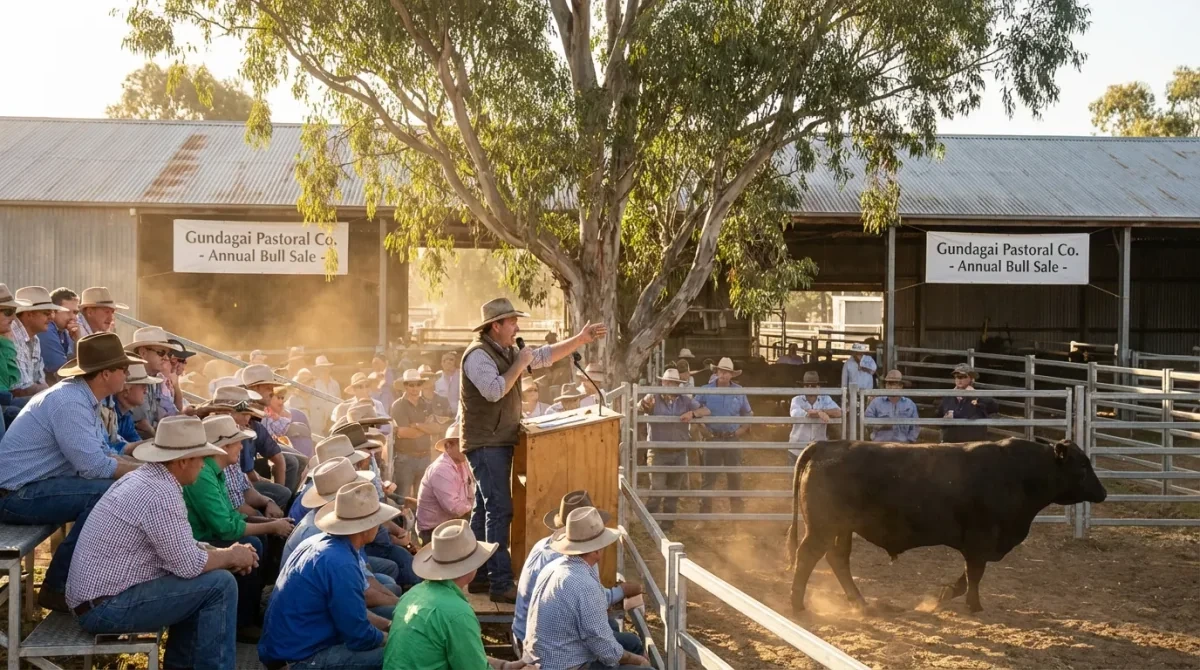
Running a successful stud in Australia requires more than great genetics. You need to find buyers, present your animals professionally, manage relationships, and run smooth sales. Yet many studs still rely on spreadsheets, paper catalogues, and scattered notes to manage their sales operation.
Dedicated livestock sales software changes this. The right platform brings together buyer management, sale catalogues, marketing tools, and analytics in one system designed specifically for how studs operate.
This guide covers what Australian studs should look for in sales software, how it differs from generic farm management tools, and how to evaluate platforms for your operation.
Why Studs Need Dedicated Sales Software
General farm management software focuses on tracking animals, health records, and production data. While valuable, these tools often miss what stud breeders need most: selling those animals effectively.
The Sales Challenge
Studs face unique challenges that general livestock software doesn’t address:
Buyer relationships matter: Unlike selling to saleyards, stud sales depend on ongoing relationships with buyers who return year after year. Managing these relationships requires different tools than animal inventory management.
Presentation is critical: Buyers compare genetics across studs. Professional catalogues, quality photography, and accessible genetic information influence purchasing decisions. A system that just stores data doesn’t help you present it effectively.
Marketing is essential: You can’t sell animals buyers don’t know about. Studs need integrated marketing tools to reach and engage their buyer base.
Sale events are complex: Running on-property sales, online auctions, or clearing sale entries involves logistics, registrations, and post-sale follow-up. Spreadsheets struggle to manage this complexity.
The Cost of Not Having the Right Tools
Studs operating without proper sales software experience:
Missed opportunities: Without a systematic approach to buyer outreach, potential buyers don’t hear about your sale or forget to attend.
Poor presentation: Hastily assembled catalogues with inconsistent information and low-quality images undermine even excellent genetics.
Lost relationships: When buyer information lives in personal contacts, notebooks, or email inboxes, follow-up falls through the cracks. Buyers who feel forgotten take their business elsewhere.
Limited insights: Without tracking what works, you can’t improve. Each sale starts from scratch rather than building on previous learnings.
Administrative burden: Manual processes for catalogue creation, buyer communication, and result tracking consume time better spent on breeding and production.
Key Features: Buyer CRM
A Customer Relationship Management (CRM) system is foundational to stud sales success. Here’s what to look for.
Comprehensive Buyer Profiles
Your software should maintain detailed profiles for every buyer and prospect:
Contact information: Multiple contacts per operation (owner, farm manager, breeding advisor), preferred communication methods, and physical addresses for delivery.
Purchase history: Complete record of previous purchases including animals bought, prices paid, and sire preferences. This history informs future selling opportunities.
Communication log: Record of all interactions – emails sent, phone conversations, property visits, sale attendance. Ensure nothing falls through the cracks.
Custom notes: Space for qualitative information – breeding objectives, operation type, relationship dynamics, and personal preferences that help you serve them better.
Segmentation Capabilities
Not all buyers are the same. Your software should let you segment your buyer database:
By purchase behaviour: Separate repeat buyers from one-time purchasers, high-volume buyers from occasional selectors.
By species/breed: If you sell both cattle and sheep, or multiple breeds, track which buyers are interested in what.
By geography: Segment by region for delivery logistics and region-specific marketing.
By engagement: Identify active engagers versus dormant contacts who need re-engagement campaigns.
Integration with Marketing
Your CRM should connect directly to your marketing tools:
- Send emails to specific segments with one click
- Track email opens and engagement against buyer profiles
- See which marketing campaigns influenced which purchases
- Automate follow-up sequences based on buyer behaviour
Key Features: Sale Catalogues
Professional sale catalogues are essential for modern stud sales. Here’s what your software should deliver.
Digital Catalogue Creation
Look for tools that make catalogue creation efficient:
Template systems: Professional layouts that present your animals consistently without starting from scratch each sale.
Data integration: Pull animal information (EBVs, measurements, pedigrees) directly from your database rather than re-entering it.
Photo management: Easy upload, cropping, and optimisation of animal photos with consistent presentation across lots.
Flexible content: Ability to add individual lot descriptions, highlighting specific traits or story points for each animal.
Online Catalogue Distribution
Your catalogues should reach buyers effectively:
Shareable links: Easy URL sharing via email, social media, or your website.
Individual animal pages: Let buyers browse, filter, and shortlist individual lots online.
Mobile-friendly viewing: Most buyers will view on phones. Ensure catalogues display well on all devices.
PDF generation: Some buyers prefer printed copies. Offer downloadable PDFs with professional formatting.
Catalogue Updates
Catalogues need to stay current:
Real-time updates: When animals sell privately or are withdrawn, update instantly.
Late entries: Ability to add animals after initial catalogue publication.
Supplementary information: Add notes, updates, or corrections that reach all potential buyers.
Key Features: Marketing Tools
Integrated marketing capabilities help you reach and engage buyers effectively.
Email Marketing
Built-in email tools should include:
Campaign creation: Design professional emails with your branding, images, and clear calls-to-action.
Audience selection: Send to all buyers, specific segments, or individual contacts.
Scheduling: Time emails for optimal delivery (avoid weekends and late nights).
Analytics: Track opens, clicks, and engagement to understand what resonates.
Communication Templates
Save time with reusable templates:
- Sale announcements
- Catalogue release notifications
- Viewing invitations
- Post-sale thank you messages
- Receipt and confirmation emails
Multi-Channel Coordination
While email is primary, good software helps coordinate across channels:
- Social media content preparation
- Consistent messaging across all buyer touchpoints
Managing Sale Events
Whether you sell on-property, online, or through agents, your software should support the full sale process.
Pre-Sale Management
Lot preparation: Organise animals into sale lots with complete information, photography, and lot ordering.
Buyer registration: Capture registrations with buyer details, bidding numbers, and attendance confirmation.
Enquiry tracking: Log and respond to pre-sale enquiries with full context available.
Marketing execution: Coordinate catalogue release, reminder emails, and social media promotion.
Sale Day Support
Mobile access: Access buyer and lot information from phone or tablet during the sale.
Result recording: Record prices and buyers as lots sell for immediate accuracy.
Live updates: Feed results to online viewers if offering live streaming or simulcast.
Post-Sale Process
Buyer confirmation: Generate invoices and purchase confirmations immediately.
Delivery coordination: Track delivery requirements and logistics for each buyer.
Result analysis: Review clearance rates, price averages, and buyer composition.
Follow-up automation: Trigger thank-you messages and feedback requests.
Building and Nurturing Your Buyer Database
Your buyer database is one of your stud’s most valuable assets. Here’s how to build and maintain it.
Capturing New Contacts
Every interaction is an opportunity:
Sale registrations: Everyone who registers, whether they buy or not, is a prospect.
Field days and open days: Capture contact details from every visitor.
Website enquiries: Ensure enquiry forms feed directly into your CRM.
Referrals: Ask happy buyers for introductions to other producers.
Maintaining Data Quality
A database degrades without maintenance:
Regular verification: Confirm contact details periodically, especially before major sales.
Duplicate management: Merge duplicate records to maintain clean data.
Deceased/retired contacts: Update records when contacts leave the industry.
Preference updates: Let contacts update their preferences to receive relevant information.
Nurturing Between Sales
The relationship doesn’t pause between sales:
Educational content: Share industry insights, breeding philosophy updates, or management tips.
Operation updates: Let buyers know about breeding directions, new genetics, or program developments.
Client success stories: Celebrate buyers’ achievements with your genetics.
Exclusive previews: Give loyal buyers early access to upcoming sale information.
Professional Animal Catalogues That Convert
A great catalogue does more than list animals. It sells them.
Photography Standards
Invest in quality animal photography:
Consistent setup: Same background, lighting, and angle for fair comparison.
Highlight conformation: Capture animals at their best while remaining accurate.
Multiple views: Side profile, front view, and detail shots where relevant.
Action shots: Movement photos can showcase structural soundness.
Information Presentation
Present genetic information effectively:
EBV/ASBV display: Clear presentation of genetic values with explanations for less experienced buyers.
Pedigree information: Three-generation pedigrees showing genetic heritage.
Performance data: Weights, measurements, and classifications relevant to buyer decisions.
Breeding history: For females, include reproductive history and progeny performance.
Compelling Descriptions
Good descriptions add context data can’t provide:
- Structural qualities and visual attributes
- Temperament observations
- Breeding philosophy alignment
- Specific use recommendations (suits large frame commercial herd, ideal for maiden heifers, etc.)
Comparing Sales Platforms for Livestock
Not all platforms are equal. Here’s how to evaluate options.
Australian Suitability
Breed society integration: Does it work with Angus Australia, Shorthorn Society, Sheep Genetics, and other relevant bodies?
NLIS compatibility: Proper handling of NLIS identification requirements.
Local support: Is support available in Australian time zones with understanding of local conditions?
Industry terminology: Does the platform speak your language or require translation from generic software terms?
Ease of Use
Learning curve: Can your team use it effectively without weeks of training?
Mobile functionality: Does it work well on phones and tablets in the paddock?
Intuitive navigation: Can you find features without searching through menus?
Support availability: When you’re stuck, is help readily available?
Integration Capabilities
Data import: Can you bring existing buyer lists and animal information in easily?
Export options: Can you get data out when needed for breed societies, accountants, or analysis?
Third-party connections: Does it work with other tools you use?
Pricing Structure
Transparent costs: Are all costs clear upfront, or do hidden fees appear later?
Scalability: Does pricing grow reasonably as your operation grows?
Value for money: Does the cost align with the value delivered?
Getting Started with Digital Sales Tools
Transitioning to dedicated sales software is an investment. Here’s how to approach it.
Evaluate Your Current State
Before choosing software, understand your current situation:
- Where is buyer information currently stored?
- How are catalogues currently created?
- What works well that should be preserved?
- What pain points need solving?
Prioritise Features
Not every feature is equally important to your operation:
- Must-haves: Features critical to your sales process
- Nice-to-haves: Beneficial but not essential
- Future needs: Features you’ll want as you grow
Plan Your Transition
Don’t try to do everything at once:
Start with data: Import existing buyer contacts and clean up the database.
Next, catalogues: Build your next sale catalogue in the new system.
Then, marketing: Begin using email tools for buyer communication.
Finally, analytics: Once you have data flowing, analyse performance.
Measure Success
Track improvements from your software investment:
- Time saved on catalogue production
- Buyer engagement (email opens, website visits)
- Sale performance metrics
- Buyer retention rates
The Bottom Line
Dedicated livestock sales software addresses what general farm management tools miss: the sales, marketing, and relationship management that drive stud success.
The right platform brings together buyer CRM, professional catalogues, integrated marketing, and sale management in one system designed for how studs actually operate. It saves time, improves buyer relationships, enhances professional presentation, and ultimately supports better sale results.
When evaluating options, prioritise Australian suitability, ease of use, and genuine capability for the sales and marketing functions that matter most to your operation.
Ready to transform your stud’s sales operation?
Frisbee combines buyer CRM, professional sale catalogues, and integrated marketing in one platform built specifically for Australian cattle and sheep studs. Stop juggling spreadsheets and start running sales like a professional operation.
Related reading:
- Running a Successful Bull Sale: From Catalogue to Gavel
- Building a Buyer Database: CRM for Livestock Producers
Tagged
Run a sharper stud, on one platform.
Genetics, sales, clients and marketing — without the spreadsheet sprawl. Built for Australian cattle and sheep producers.
Get started with FrisbeeKeep reading
View all →The Best EID and NLIS Tag Readers in Australia: 2026 Buying Guide
Compare current Gallagher, Tru-Test, Allflex and Shearwell EID and NLIS tag readers in Australia on price, battery, memory, and iPhone pairing.
Digital Marketing for Sheep & Cattle Studs
Digital marketing strategies that reach more buyers for your sheep and cattle stud, from email campaigns to social media that showcase your genetics.
Running a Successful Bull Sale: From Catalogue to Gavel
Master every stage of your bull sale, from catalogue creation and buyer marketing to registration, sale day technology, and analysing results.
Run your stud on Frisbee
CRM, sale catalogues, and marketing campaigns in one place, purpose-built for Australian cattle and sheep studs.
14-day free trial · No credit card required