
How to Market Your Sheep Stud in 2026: A Digital Guide
Digital marketing strategies to market your sheep stud in 2026, reach more buyers, and drive ram and ewe sales, from email campaigns to social media.
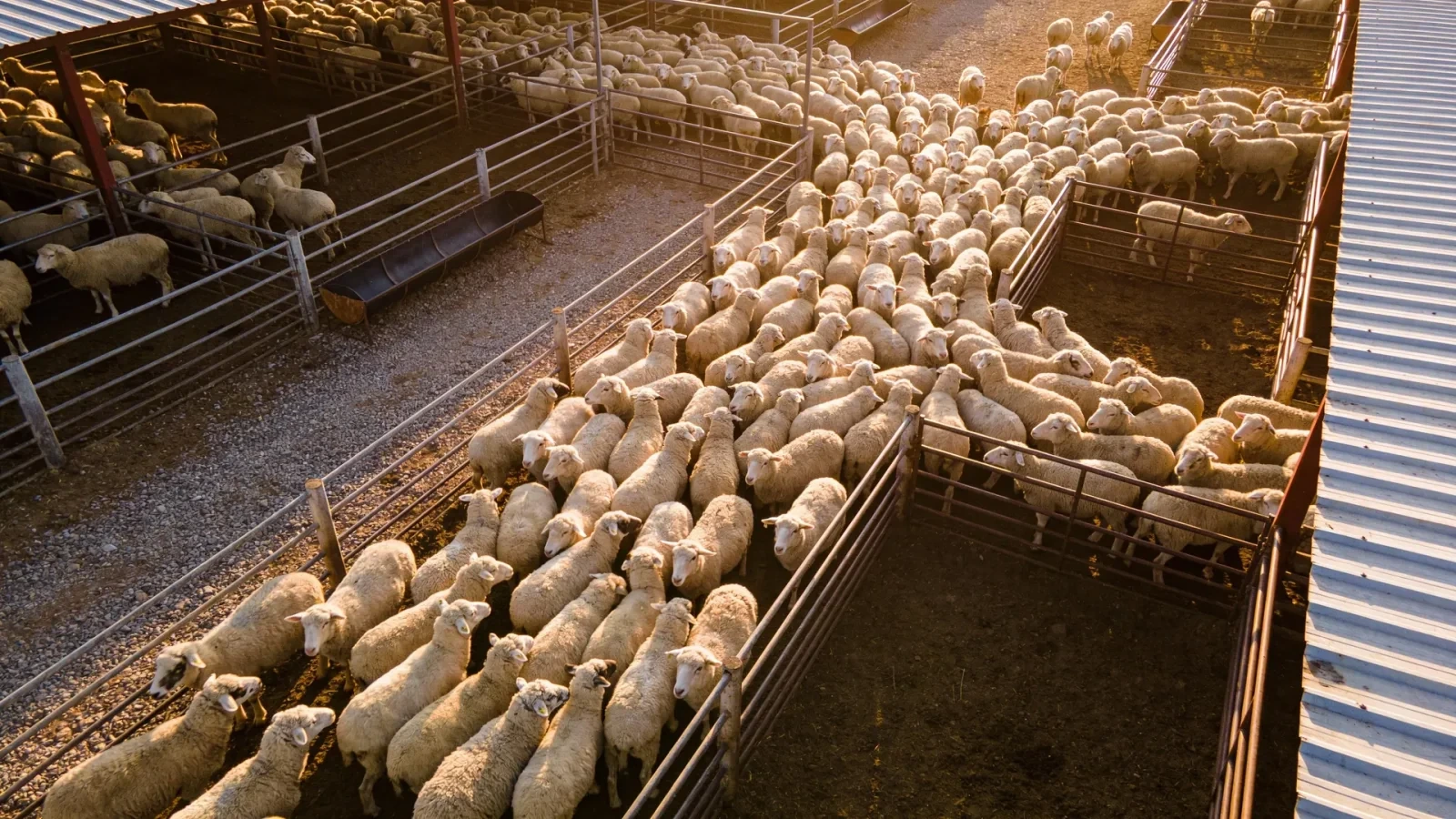
The Australian sheep industry is evolving, and so are the buyers. Gone are the days when word of mouth and a field day were enough to sell your rams. Today’s buyers research online, compare genetics across studs, and expect professional presentation before they ever set foot on your property.
Whether you’re selling Merino rams for wool production, Poll Dorset sires for prime lamb operations, or Dorper genetics for low-maintenance flocks, your marketing approach directly impacts your sale results. This guide covers the strategies that work for sheep studs in 2026.
Understanding the Modern Sheep Buyer’s Journey
Before you can market effectively, you need to understand how today’s buyers make purchasing decisions.
The Research Phase
Modern buyers don’t stumble across your stud by accident. They actively research:
Online searches: Producers search terms like “Poll Dorset rams for sale NSW” or “Merino genetics for fine wool” before making enquiries. If your stud doesn’t appear in these searches, you’re invisible to a significant portion of potential buyers.
Social proof: Buyers look for evidence that other producers trust your genetics. Testimonials, sale results, and client success stories influence decisions more than ever.
Genetic data: EBVs, ASBVs, and genomic information are expected, not optional. Serious buyers want to compare your animals against their breeding objectives before enquiring.
The Comparison Phase
Once buyers identify potential studs, they compare:
- Sale catalogues and animal presentation
- Pricing relative to genetic merit
- Ease of doing business (communication responsiveness, payment terms)
- Reputation among other producers
Your marketing needs to position your stud favourably at every comparison point.
The Decision Phase
The final decision often comes down to relationships. Buyers purchase from studs they trust, where they feel valued, and where the genetics align with their goals. This is where ongoing relationship management becomes critical.
Building Your Stud’s Online Presence
Your digital presence is your 24/7 shopfront. Here’s how to make it work for you.
Website Essentials
Your website doesn’t need to be elaborate, but it must be professional and informative:
Clear messaging: Within seconds, visitors should understand what sheep you breed, what makes your genetics valuable, and how to contact you.
Mobile-friendly design: Many producers browse on phones between paddock checks. If your site doesn’t work on mobile, you’re losing potential buyers.
Current sale information: Update your website with upcoming sales, available animals, and recent results. Outdated information signals a stud that doesn’t prioritise communication.
Quality photography: Invest in good photos of your animals. Poorly lit, cluttered images undermine even excellent genetics.
Sale Catalogues Online
Your sale catalogue should be easily accessible online, not just in PDF form:
Individual animal pages: Allow buyers to browse individual lots with full details, photos, and genetic information. This lets them shortlist animals before sale day.
Shareable links: Make it easy for buyers to share specific animals with farm managers, partners, or advisors who influence purchasing decisions.
Updated availability: If animals sell privately or are withdrawn, update your online catalogue promptly.
Email Marketing for Ram and Ewe Sales
Email remains one of the most effective channels for reaching sheep buyers. Unlike social media, you own your email list and can reach people directly.
Building Your Email List
Start collecting email addresses at every opportunity:
- Field days and open days
- Sale registrations
- Website enquiry forms
- Business card exchanges
- Social media interactions (direct people to sign up)
Data quality matters: A list of 200 engaged buyers outperforms 2,000 addresses where most never open your emails.
Email Campaign Timing
Pre-sale campaign (6-8 weeks before):
- Announce your sale date
- Highlight your breeding philosophy
- Share early catalogue previews
Catalogue release (3-4 weeks before):
- Send full catalogue access
- Highlight feature lots
- Include viewing opportunities
Final reminder (1 week before):
- Logistics (venue, time, registration)
- Final lot highlights
- Weather contingencies if relevant
Post-sale follow-up (within 1 week after):
- Thank all attendees
- Share results summary
- Acknowledge successful buyers
Email Content That Converts
Subject lines: Keep them specific and benefit-focused. “2026 Ram Sale Catalogue Now Available” outperforms “Stud Newsletter March.”
Personalisation: Address recipients by name. Reference their previous purchases or interests if your CRM captures this information.
Clear calls to action: Every email should have one primary action – view the catalogue, register for the sale, or book a property visit.
Mobile optimisation: Most emails are opened on phones. Test your emails on mobile before sending.
Managing Buyer Relationships with CRM
A Customer Relationship Management (CRM) system transforms how you interact with buyers. Instead of relying on memory or scattered notes, you have a complete picture of every client relationship.
What to Track in Your CRM
Purchase history: What have they bought previously? What price points? Which sires do they favour?
Communication records: When did you last contact them? What did you discuss? What follow-up is needed?
Preferences and requirements: What are their breeding objectives? Do they need rams delivered? What’s their typical order size?
Engagement data: Do they open your emails? Did they attend your last sale? Have they visited your website recently?
Using CRM Data for Better Marketing
With good CRM data, you can:
Segment your audience: Send different messages to repeat buyers versus first-time enquirers. Wool producers might receive different content than meat producers.
Personalise outreach: Reference their previous purchases or acknowledge their loyalty. Personal touches make buyers feel valued.
Time your communication: Know when buyers typically purchase so you can reach out at the right time in their decision cycle.
Identify lapsed buyers: If a regular buyer hasn’t purchased in two years, reach out to understand why and potentially win them back.
Running Successful On-Property and Online Sales
Your sale event is the culmination of your marketing efforts. How you run it affects future sales too.
On-Property Sales
Professional presentation: Your property should be tidy, animals well-presented, and hospitality welcoming. First impressions matter.
Efficient process: Registrations should be smooth, information readily available, and payment options clear.
Technology integration: Consider live streaming for buyers who can’t attend. Display lot information digitally for easy viewing.
Post-sale follow-up: Have a system to thank buyers, confirm delivery arrangements, and request feedback.
Online and Hybrid Sales
Online sales have become standard, not exceptional. To run them effectively:
Platform selection: Use a reputable online sale platform with good buyer reach. Consider platforms that integrate with your catalogue and CRM systems.
Detailed listings: Online buyers can’t see animals in person. Provide comprehensive photos, videos, measurements, and genetic information.
Responsive communication: Monitor enquiries closely and respond promptly. Online buyers have questions they can’t ask in person.
Clear logistics: Spell out delivery options, biosecurity requirements, and payment terms upfront.
Social Media Strategies for Sheep Studs
Social media builds brand awareness and showcases your operation between sales.
Platform Selection
Facebook: Still the primary platform for Australian agriculture. Good for event promotion, photo albums, and community engagement.
Instagram: Strong for visual content. Ideal for showcasing animals, property, and behind-the-scenes moments.
YouTube: Excellent for longer content like property tours, animal walk-throughs, and educational content about your genetics.
Don’t try to be everywhere. Choose one or two platforms and do them well.
Content That Works
Animal showcase: Individual animal features with key traits and genetic information.
Behind-the-scenes: Joining, lambing, shearing – show the work that goes into your program.
Client success: With permission, share stories of buyers succeeding with your genetics.
Educational content: Explain how you select animals, interpret EBVs, or maintain flock health. Position yourself as knowledgeable, not just as a seller.
People content: Buyers want to know who they’re doing business with. Introduce your team.
Posting Consistency
Regular posting beats sporadic bursts. A few quality posts weekly builds more engagement than daily content that drops off for months.
Schedule content in advance where possible. Link your social posts to your website or catalogue to drive traffic.
Measuring Marketing ROI
Marketing without measurement is guessing. Track what works so you can do more of it.
Key Metrics to Track
Email performance:
- Open rates (aim for 30%+ in agriculture)
- Click rates (5%+ indicates engaging content)
- Unsubscribes (high rates signal problems)
Website analytics:
- Visitor numbers (especially around sale time)
- Most viewed animals or content
- Enquiry form submissions
Social engagement:
- Follower growth
- Post engagement (likes, comments, shares)
- Click-throughs to your website
Sale results:
- Clearance rates
- Average prices
- New buyer numbers
- Repeat buyer retention
Connecting Marketing to Sales
The ultimate measure is sales performance. Track:
- How did buyers hear about you?
- Which marketing channels drove the most valuable buyers?
- What content or campaigns preceded your best sales?
This information guides future marketing investment.
Putting It All Together
Effective sheep stud marketing isn’t about any single tactic – it’s about a coordinated approach that meets buyers where they are.
Start with your buyer list. Build and maintain a quality database of buyers and prospects.
Invest in professional presentation. Your catalogue, website, and photography represent your stud before you meet buyers in person.
Communicate consistently. Regular, valuable communication keeps your stud front-of-mind when purchasing decisions are made.
Track relationships. A CRM system ensures no buyer falls through the cracks and every interaction builds toward long-term relationships.
Measure and improve. Know what’s working and do more of it. Cut what isn’t delivering results.
The studs succeeding in 2026 aren’t necessarily those with the biggest marketing budgets. They’re the ones treating marketing as a year-round discipline, building genuine relationships, and presenting their genetics professionally at every touchpoint.
Ready to transform your sheep stud’s marketing?
Frisbee brings together buyer CRM, email marketing, and professional sale catalogues in one platform built for Australian sheep studs. Manage your client relationships, run better sales, and grow your buyer base.
Related reading:
- Digital Marketing for Sheep & Cattle Studs
- Building a Buyer Database: CRM for Livestock Producers
- Merino Sheep Stud Software
- Sheep Sale Catalogue Software
- Email Marketing for Sheep Studs
Tagged
Run a sharper stud, on one platform.
Genetics, sales, clients and marketing — without the spreadsheet sprawl. Built for Australian cattle and sheep producers.
Get started with FrisbeeKeep reading
View all →
The Best EID and NLIS Tag Readers in Australia: 2026 Buying Guide
Compare current Gallagher, Tru-Test, Allflex and Shearwell EID and NLIS tag readers in Australia on price, battery, memory, and iPhone pairing.
Digital Marketing for Sheep & Cattle Studs
Digital marketing strategies that reach more buyers for your sheep and cattle stud, from email campaigns to social media that showcase your genetics.
Running a Successful Bull Sale: From Catalogue to Gavel
Master every stage of your bull sale, from catalogue creation and buyer marketing to registration, sale day technology, and analysing results.
Run your stud on Frisbee
CRM, sale catalogues, and marketing campaigns in one place, purpose-built for Australian cattle and sheep studs.
14-day free trial · No credit card required