
Digital Marketing for Sheep & Cattle Studs
Digital marketing strategies that reach more buyers for your sheep and cattle stud, from email campaigns to social media that showcase your genetics.
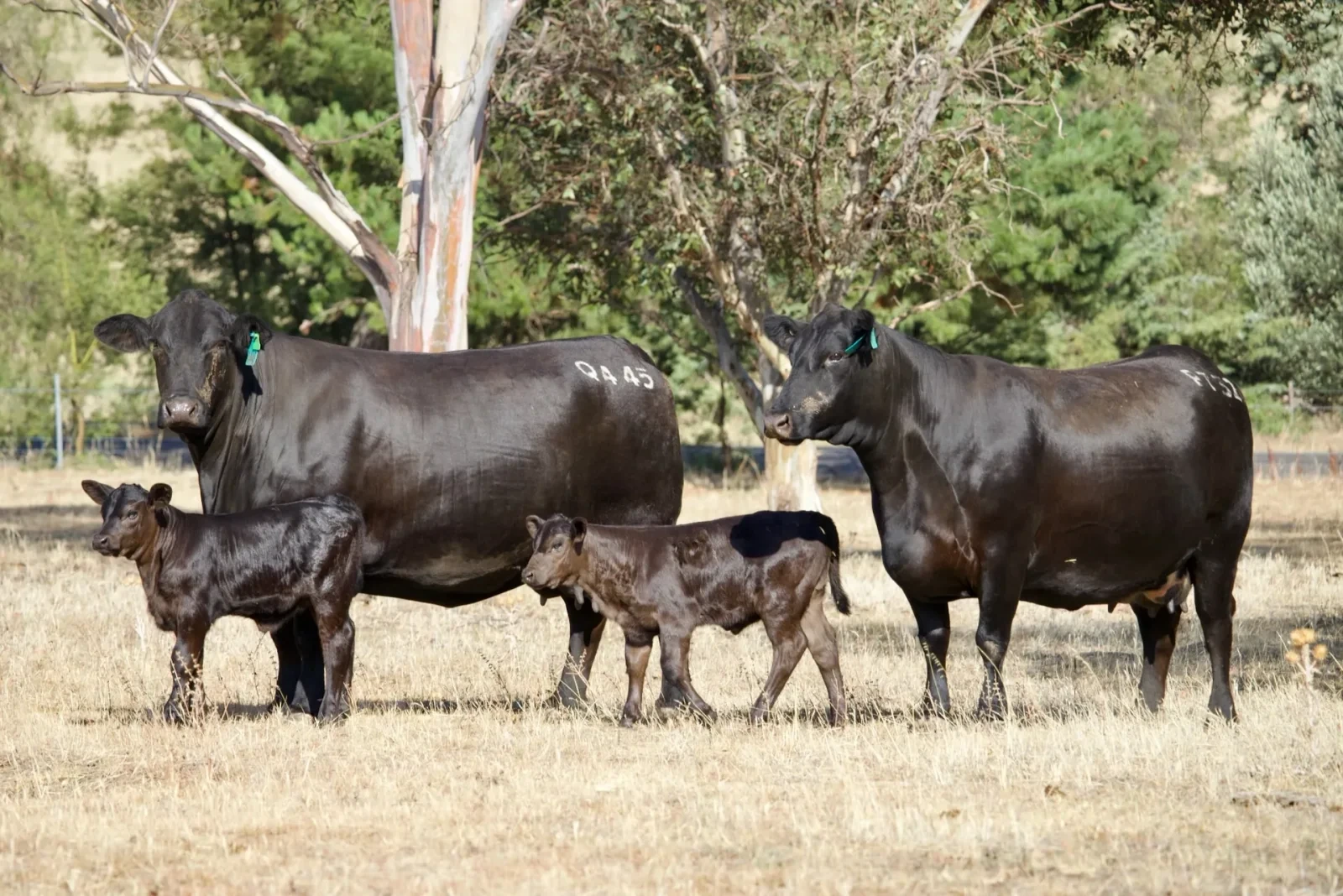
Traditional marketing still matters for studs. Field days, industry events, and word-of-mouth remain powerful. But they’re no longer enough. Today’s buyers research online before they enquire, compare options across their screens, and expect professional digital presence from studs they consider purchasing from.
Digital marketing isn’t about replacing personal relationships – it’s about extending your reach, staying front-of-mind between sales, and presenting your genetics to buyers who might never attend a field day but will absolutely attend your sale.
This guide covers the digital marketing fundamentals every sheep and cattle stud needs to master.
Why Digital Marketing Matters for Studs
The argument for digital marketing comes down to three realities:
Buyer Behaviour Has Changed
Research happens online first: Before a buyer calls you, they’ve likely searched for studs in your breed, reviewed your website (or noticed you don’t have one), and formed initial impressions.
Comparison is easier: Buyers can compare your offering against competitors with a few clicks. If your digital presence is weaker, you’re disadvantaged before any conversation begins.
Attention is fragmented: Buyers receive countless messages daily. Consistent digital presence keeps you visible amid the noise.
Your Competition Is Already There
The studs investing in digital marketing are building advantages:
- Larger email lists for sale promotion
- Stronger brand recognition in their breeds
- More efficient buyer communication
- Better data on what resonates with buyers
Every year you delay, competitors extend their lead.
Digital Extends Your Reach
Traditional marketing reaches those you meet. Digital marketing reaches:
- Buyers outside your immediate network
- Producers in distant regions considering genetics like yours
- New entrants to the industry researching options
- International buyers exploring Australian genetics
Your genetics might suit a buyer you’ve never met. Digital marketing helps them find you.
Email Campaigns That Drive Sale Attendance
Email remains the most effective digital channel for stud marketing. You own your list, control your message, and reach inboxes directly.
Building Your Email List
Capture every opportunity: Sale registrations, field day sign-ups, website enquiries, business card exchanges – every contact should enter your list.
Quality over quantity: 500 engaged buyers outperform 3,000 addresses that never open. Focus on people genuinely interested in your genetics.
Make signup easy: Clear signup options on your website, simple forms at events, and incentives (catalogue access, sale updates) for providing email.
Email Campaign Types
Sale announcements: Your foundational campaign. Date, offering overview, and reason to attend.
Catalogue releases: Link to your catalogue with highlights and invitation to review.
Feature spotlights: Individual animal or sire line features with deeper detail than catalogue entries allow.
Results updates: Post-sale results demonstrating buyer confidence and market validation.
Educational content: Industry insights, breeding philosophy, and expertise positioning (discussed more below).
Email Design Principles
Mobile-first: Most emails are opened on phones. Design for mobile viewing first, desktop second.
Clear subject lines: Specific, benefit-focused subjects get opened. “2026 Ram Sale – Catalogue Now Live” beats “Stud Newsletter March.”
Single primary action: Each email should have one clear call-to-action. Don’t confuse with multiple competing options.
Professional presentation: Consistent branding, quality images, and error-free writing reflect on your stud.
Readable length: Respect buyer time. Get to the point without unnecessary padding.
Email Timing and Frequency
Regular rhythm: Consistent sending (monthly, fortnightly) trains buyers to expect and look for your emails.
Sale season intensification: More frequent communication approaching sales is appropriate when content is valuable.
Respect preferences: Offer communication preference options and honour them.
Strategic timing: Avoid Mondays (inbox overwhelm) and weekends (not checking email). Mid-week, mid-morning often performs best.
Showcasing Animals Online with Photos and Video
Digital marketing is visual. How you present your animals online directly impacts buyer perception.
Photography Standards
Invest in quality: Professional livestock photography is worth the cost. DIY photos rarely achieve the same impact.
Consistency matters: Same setup, lighting, and positioning across animals allows fair comparison and professional presentation.
Show conformation accurately: The goal is flattering but honest presentation. Manipulated angles or conditions undermine trust.
Multiple views: Side profile is standard. Add front view and action shots for standout animals.
Video Content
Video increasingly expected in livestock marketing:
Animal videos: Short clips (30-60 seconds) showing movement, temperament, and physical attributes photos can’t capture.
Property videos: Showcase your operation, country, and breeding environment.
Sale previews: Walk-through videos of upcoming offerings build anticipation.
Educational content: Explain your breeding philosophy, EBV interpretation, or management practices.
Technical Considerations
File sizes: Optimise images for web viewing. Massive files slow loading and frustrate viewers.
Format choices: JPEG for photos, MP4 for video, WebP where supported for efficiency.
Hosting: Use reliable hosting that doesn’t compress quality excessively.
Mobile performance: Test how media displays on phones, not just desktops.
Social Proof: Testimonials and Buyer Success Stories
Nothing sells like satisfied buyers. Social proof demonstrates that others trust your genetics.
Gathering Testimonials
Ask systematically: After positive interactions or sale feedback, ask if buyers would provide a testimonial.
Make it easy: Some buyers prefer to write their own. Others need you to draft something for their approval.
Capture specifics: Generic praise is weak. Specific outcomes (“30% improvement in weaning weights”) are powerful.
Video testimonials: Even smartphone-quality video testimonials carry authenticity that text alone lacks.
Client Success Stories
Go deeper than testimonials with full case studies:
The situation: What was the buyer trying to achieve? What challenges did they face?
The solution: How did your genetics fit their needs? What specifically did they purchase?
The results: What outcomes have they achieved? Quantify where possible.
Their perspective: Let the buyer’s voice tell the story.
Using Social Proof Effectively
Strategic placement: Feature testimonials on key website pages, in sale catalogues, and in marketing emails.
Relevance matching: Use testimonials relevant to the audience seeing them. Wool producer testimonials for wool marketing.
Freshness: Regularly update with recent testimonials. Testimonials from a decade ago suggest current buyers aren’t as happy.
Permission and accuracy: Always have explicit permission. Never fabricate or exaggerate.
Building Your Stud Brand Identity
Your brand is what buyers think and feel about your stud. Effective digital marketing builds and reinforces brand identity.
Brand Elements
Visual identity: Logo, colours, and visual style that appear consistently across all materials.
Voice and tone: How you communicate – formal or casual, technical or accessible, serious or personality-infused.
Key messages: Core positioning that runs through all communication. What do you want buyers to remember about your stud?
Values and philosophy: What drives your breeding decisions? What do you stand for?
Consistency Across Channels
Website to email to social: Same visual identity, same voice, same core messages.
Print to digital: Catalogues, signage, and business cards should align with digital presentation.
Person to platform: How you communicate in person should match your digital persona.
Brand Differentiation
What makes your stud different? Strong brands clearly communicate differentiation:
- Specific genetic focus or traits
- Breeding philosophy or approach
- Geographic or climatic suitability
- Service approach or buyer experience
- Heritage, history, or track record
Find your differentiator and emphasise it consistently.
Measuring What Works: Opens, Clicks, Enquiries
Digital marketing’s advantage over traditional marketing is measurability. Use it.
Email Metrics
Open rate: Percentage who open your emails. Benchmark varies by industry, but 30%+ indicates healthy engagement for agriculture.
Click rate: Percentage who click links within emails. 5%+ suggests compelling content and calls-to-action.
Unsubscribe rate: High unsubscribes signal content problems or list quality issues.
List growth: Is your list growing or shrinking? Healthy programs grow steadily.
Website Metrics
Visitor numbers: How many people visit your site? Track trends especially around sales.
Page views: What content gets most attention? Which animals or pages attract interest?
Traffic sources: Where do visitors come from? Email, search, social media, direct?
Enquiry submissions: How many website visits convert to enquiries?
Conversion Tracking
Enquiry to attendance: Of those who enquire, how many attend sales?
Attendance to purchase: Of attendees, what percentage buy?
Email to action: Which emails drive most enquiries or registrations?
Marketing attribution: Which channels drive which buyers? Ask buyers how they found you.
Using Data for Improvement
What to repeat: Double down on content and channels that perform.
What to adjust: Low-performing efforts need diagnosis and refinement or elimination.
What to test: Try variations and let data guide decisions.
Continuous improvement: Marketing effectiveness compounds when you consistently learn and adapt.
Seasonal Marketing Calendar for Studs
Stud marketing isn’t sporadic – it’s a year-round program with seasonal peaks.
Post-Sale Season (Immediately After Sale)
Results communication: Share sale outcomes with your database.
Buyer follow-up: Systematic check-ins with purchasers.
Analysis and learning: What worked? What didn’t? Document while fresh.
Content planning: Outline next season’s content based on learnings.
Off-Season (Months Away from Sale)
Relationship maintenance: Regular communication that adds value without selling.
Content development: Create content when you have time, not under deadline pressure.
Database building: Focus on list growth through events and online capture.
Brand building: Educational and personality content that builds affinity.
Pre-Sale Season (8-12 Weeks Before Sale)
Announcement phase: Confirm dates, highlight offering, generate anticipation.
Content intensification: Increase posting frequency with sale-relevant content.
Catalogue preparation: Create catalogue content with marketing integration in mind.
Direct outreach: Personal contact with key prospects and previous buyers.
Sale Season (4-8 Weeks Before Sale)
Catalogue distribution: Digital and print distribution with promotional support.
Feature campaigns: Individual animal and sire line highlights.
Registration push: Drive registrations with deadline-driven messaging.
Final preparation: Logistics communication and last-chance reminders.
Example Monthly Focus
February-March: Post-sale follow-up, database maintenance, content planning
April-June: Educational content, brand building, list growth
July-August: Sale preparation, photography, catalogue development
September-October: Intensive pre-sale marketing, buyer outreach
November: Sale execution and immediate follow-up
December-January: Results communication, relationship maintenance
Adjust timing to your specific sale calendar.
The Bottom Line
Digital marketing for studs isn’t about becoming a marketing agency. It’s about systematically applying proven practices to extend your reach, maintain buyer relationships, and present your genetics professionally.
Start with the fundamentals: build your email list, send valuable content consistently, present your animals with quality visuals, and measure what works. Add sophistication as you master basics.
The studs growing their buyer bases and achieving strong sale results aren’t necessarily marketing experts. They’re consistent. They show up digitally between sales. They make it easy for buyers to find, learn about, and connect with them.
That’s achievable for any stud willing to make digital marketing a priority.
Ready to transform your stud’s digital marketing?
Frisbee provides the email marketing, catalogue creation, and buyer management tools Australian studs need to market professionally. Build your buyer database, send campaigns that convert, and track what’s working.
Related reading:
- From Paddock to Profit: Digital Marketing for Modern Studs
- How to Market Your Sheep Stud in 2026: A Digital Guide
Tagged
Run a sharper stud, on one platform.
Genetics, sales, clients and marketing — without the spreadsheet sprawl. Built for Australian cattle and sheep producers.
Get started with FrisbeeKeep reading
View all →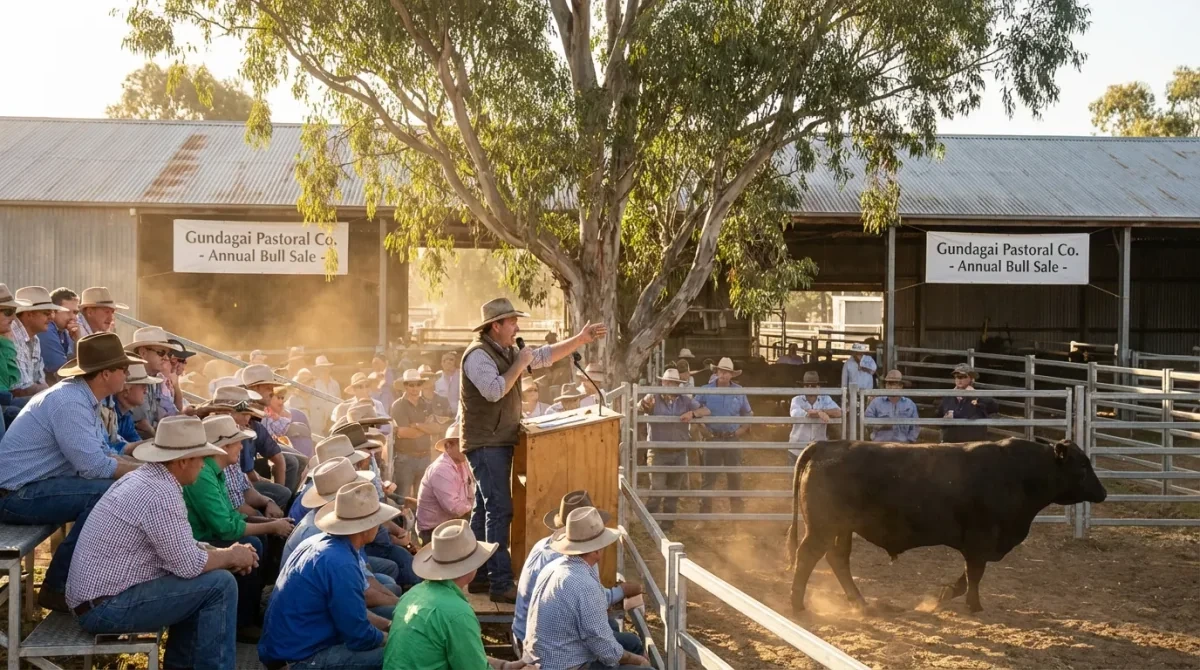
The Best EID and NLIS Tag Readers in Australia: 2026 Buying Guide
Compare current Gallagher, Tru-Test, Allflex and Shearwell EID and NLIS tag readers in Australia on price, battery, memory, and iPhone pairing.
Running a Successful Bull Sale: From Catalogue to Gavel
Master every stage of your bull sale, from catalogue creation and buyer marketing to registration, sale day technology, and analysing results.
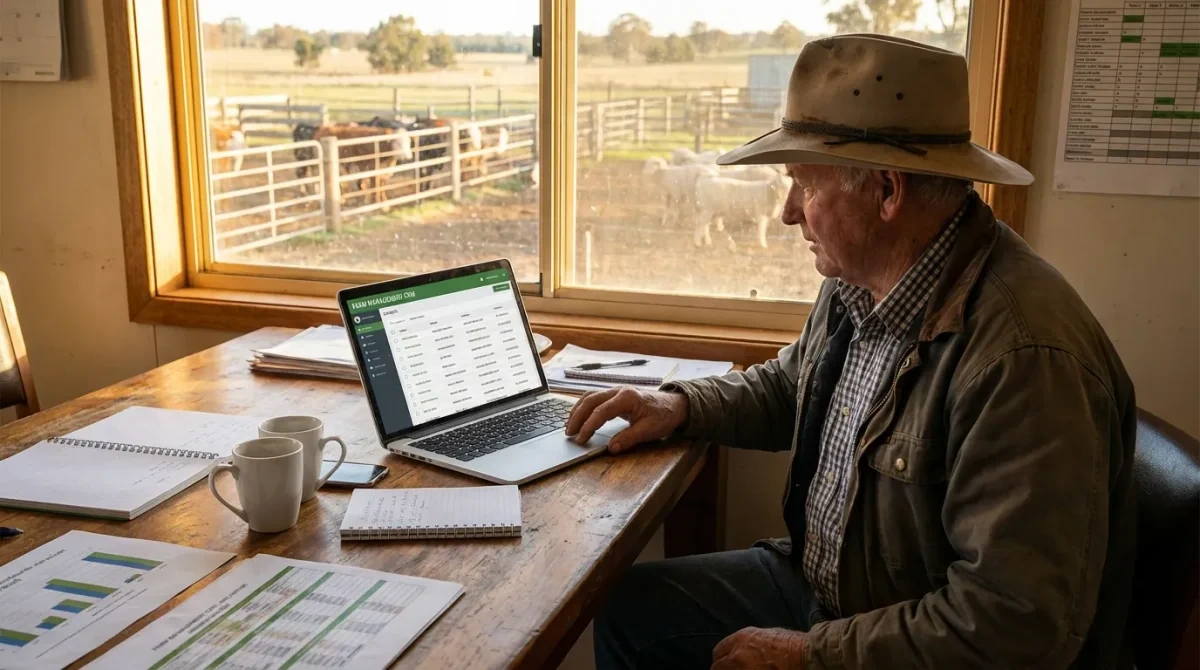
Building a Buyer Database: CRM for Livestock Producers
Your buyer list is your stud's most valuable marketing asset. How to build, segment, and nurture a buyer database that drives repeat sales.
Run your stud on Frisbee
CRM, sale catalogues, and marketing campaigns in one place, purpose-built for Australian cattle and sheep studs.
14-day free trial · No credit card required