
The Future of Australian Studs: AI and Smarter Breeding
How AI, advanced analytics, and data-driven breeding are transforming Australian cattle and sheep studs, and what the future holds for the industry.
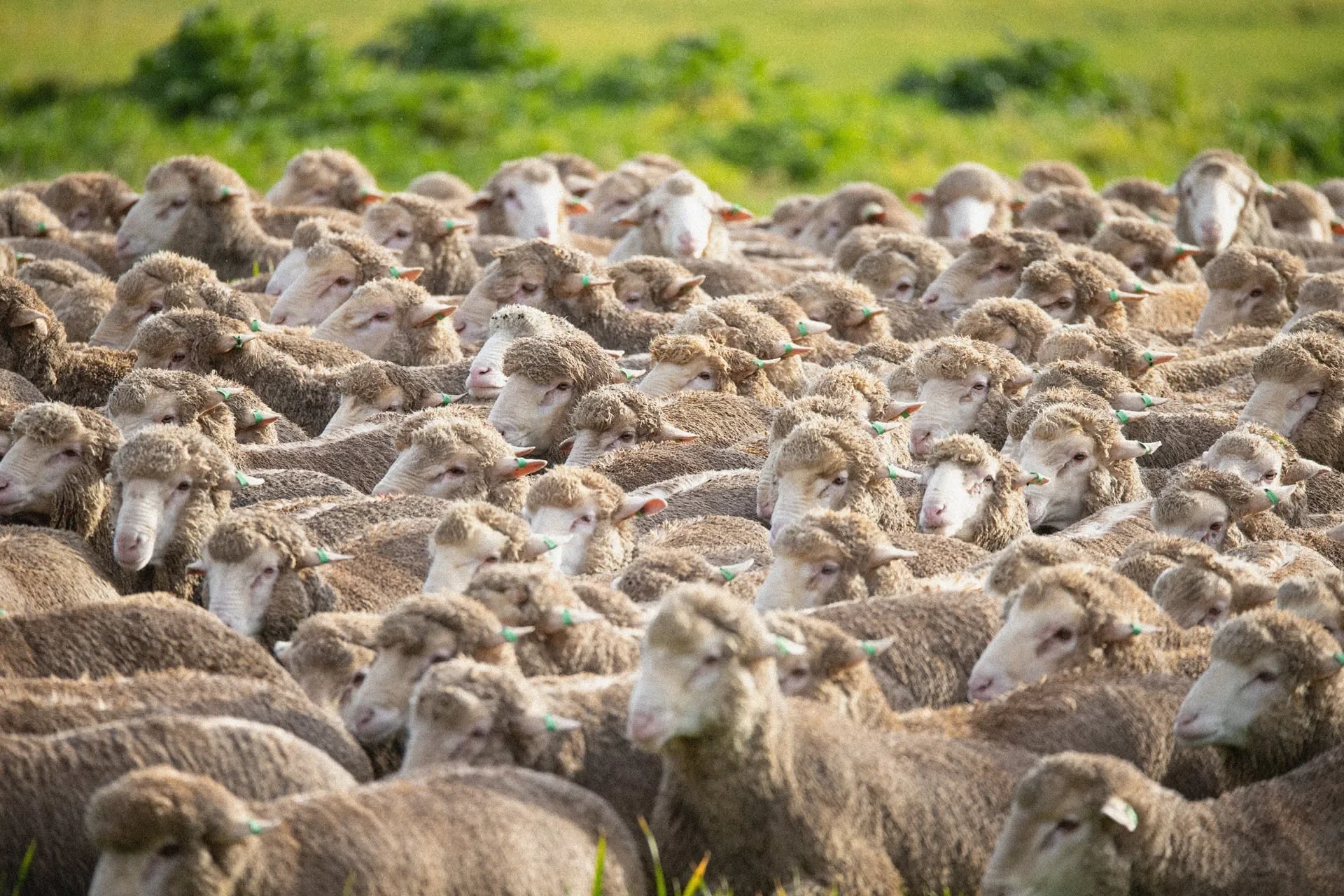
The Australian beef cattle genetic improvement program contributes an estimated $100+ million annually to producer returns according to ABRI - and emerging technologies promise to accelerate this progress further. Genomic testing adoption has grown from under 5% of registered animals in 2015 to over 40% in leading breeds today, while AI-assisted breeding tools are moving from research to commercial application.
Australian stud breeders have always been innovators. From the early days of pedigree recording to the adoption of EBVs and genomic testing, our industry embraces tools that improve genetic progress.
So what’s next?
The technologies emerging now - artificial intelligence, advanced data analytics, connected sensors - promise to transform how we breed, manage, and market livestock. Let’s explore what the future looks like for Australian studs.
Where We Are Now
First, some perspective on the current state:
EBVs and genetic evaluation: Well-established, widely used, continuously improving.
Digital record keeping: Growing adoption, though many studs still rely on paper and spreadsheets.
Genomic testing: Increasingly common, especially for cattle. Costs dropping steadily.
Mobile technology: Most producers have smartphones. Farm software increasingly mobile-first.
Cloud computing: Data storage and access no longer tied to specific computers.
This foundation enables what’s coming next.
AI-Powered Breeding Decisions
Artificial intelligence is already being applied to livestock genetics, and the applications will only grow:
Mating Recommendations
AI systems can analyse:
- Complete pedigree information
- EBVs for multiple traits
- Genomic compatibility
- Inbreeding coefficients
- Breeding objectives
And recommend optimal matings far beyond what’s practical to calculate manually.
Pattern Recognition
Machine learning excels at finding patterns in complex data:
- Which combinations of genetics produce consistent results?
- What early-life indicators predict mature performance?
- How do environmental factors interact with genetics?
Insights hidden in your data become visible.
Predictive Analytics
Rather than just describing what happened, AI predicts what will happen:
- Expected performance of unborn calves based on parent genetics
- Likely sale prices based on genetic profile and market conditions
- Probability of health issues based on genetic risk factors
Better predictions mean better decisions.
Connected Sensors and Real-Time Data
The farm of the future generates data continuously:
Animal Monitoring
- GPS tracking of grazing patterns
- Activity monitors detecting health changes
- Weight systems recording without handling
- Cameras with AI-powered behaviour analysis
Animals essentially report their own data.
Environmental Integration
- Paddock sensors measuring feed availability
- Weather data automatically incorporated
- Water system monitoring
- Soil condition tracking
Context for animal performance becomes automatic.
Automated Recording
Instead of manual data entry:
- Weigh scales upload directly to management software
- RFID readers log movements without human input
- Treatment records created by scanning products
- Photos and videos captured with automatic tagging
Less admin, more accurate data.
Advanced Analytics for Breeding Programs
Today’s genetic evaluations are sophisticated. Tomorrow’s will be more so:
Whole-Herd Analysis
Rather than animal-by-animal decisions:
- Optimise genetic progress across your entire herd
- Balance multiple traits simultaneously
- Model long-term breeding scenarios
- Identify bottlenecks in genetic progress
Strategic breeding rather than tactical selection.
Market-Aligned Selection
Connect genetic decisions to market outcomes:
- What traits are buyers actually paying for?
- How is the market changing?
- Where are the premiums emerging?
- Which genetics fit future demand?
Breed for the market of tomorrow, not yesterday.
Benchmarking and Comparison
With aggregated (anonymised) data:
- How does your herd compare to industry?
- Where are you ahead? Behind?
- What are top performers doing differently?
- What rate of genetic gain is achievable?
Context for your own performance data.
Genomics Getting Cheaper and Broader
Genomic testing continues to evolve:
Lower Costs
Testing costs have dropped dramatically and will continue falling. More animals tested means:
- Higher accuracy EBVs earlier in life
- Better parentage verification
- Selection on traits previously hard to measure
New Traits
Genomic research is expanding the traits we can select for:
- Disease resistance
- Feed efficiency
- Methane emissions
- Temperament
- Heat tolerance
Traits that were impossible to measure economically become selectable.
Earlier Selection
With accurate genomic predictions at birth:
- Identify future sires earlier
- Cull earlier with confidence
- Accelerate generation interval
- Compress time to genetic progress
Technology in Marketing and Sales
The buyer experience is also evolving:
Digital Catalogues and Virtual Inspection
- 3D imaging of sale animals
- Virtual property tours
- Live-streamed inspections
- Interactive catalogue experiences
Buyers access more information without travelling.
Transparent Genetic Information
Buyers will expect:
- Complete genetic history
- Verified performance data
- Independent analysis
- Progeny tracking information
Trust built on data rather than reputation alone.
Expanded Market Reach
Online platforms mean:
- Buyers from anywhere in Australia
- International market access
- Smaller studs competing with established names
- Niche genetics finding their buyers
Geography becomes less limiting.
What This Means for Studs Today
The future doesn’t arrive overnight. But studs can prepare:
Build Your Data Foundation
- Record everything that might be useful
- Maintain clean, consistent records
- Use integrated systems, not scattered spreadsheets
- Preserve historical data properly
AI and analytics only work with quality data.
Stay Curious About Technology
- Follow developments in agricultural technology
- Trial new tools when they make sense
- Don’t be afraid to experiment
- Learn from early adopters
Being slightly ahead of the curve provides advantage.
Focus on Fundamentals
Technology amplifies good breeding, not replaces it:
- Sound breeding objectives still matter
- Genetic fundamentals remain important
- Stockmanship stays valuable
- Relationships with buyers are still key
Technology is a tool, not a substitute for expertise.
Plan for Succession
The next generation of stud operators will use technology differently:
- Document your systems and knowledge
- Build systems that transfer with the business
- Involve younger family members in technology decisions
- Create assets (data, relationships) that persist
The Human Element Remains
For all the technology on the horizon, some things won’t change:
- Buyers want to deal with people they trust
- Good animals still need good stockmanship
- Breeding requires patience and long-term thinking
- Knowledge and experience remain valuable
The studs that will thrive are those that combine technological capability with traditional strengths.
The Opportunity
Australian agriculture has always been innovative. The technologies emerging now – AI, advanced analytics, connected sensors – offer enormous opportunity for studs willing to embrace them.
Not to replace what we do, but to do it better. Faster genetic progress. More informed decisions. Better connection with buyers. More efficient operations.
The future belongs to breeders who see technology as a partner in their breeding programs.
Ready to build your data foundation for the future?
Frisbee helps Australian studs capture, organise, and use their livestock data effectively. Start building the systems that will serve your operation for decades.
See What’s Possible with Frisbee
Related reading:
- Smarter Stud Decisions: How AI Is Changing the Breeding Game
- Data-Driven Decisions: Unlocking the Power of EBVs
Tagged
Run a sharper stud, on one platform.
Genetics, sales, clients and marketing — without the spreadsheet sprawl. Built for Australian cattle and sheep producers.
Get started with FrisbeeKeep reading
View all →
The Modern Stock Agent's Toolkit: Digital Solutions
How stock agents use digital tools to manage consignments, track buyers, and streamline the sales that shape their work in Australia.
The Best EID and NLIS Tag Readers in Australia: 2026 Buying Guide
Compare current Gallagher, Tru-Test, Allflex and Shearwell EID and NLIS tag readers in Australia on price, battery, memory, and iPhone pairing.
Livestock Ear Tag Colours in Australia: Complete Guide
A guide to livestock ear tag colours in Australia, covering NLIS sheep colours by year, cattle breeder and post-breeder tags, and state rules.
Run your stud on Frisbee
CRM, sale catalogues, and marketing campaigns in one place, purpose-built for Australian cattle and sheep studs.
14-day free trial · No credit card required