
Data-Driven Decisions: Unlocking the Power of EBVs
EBVs can accelerate genetic progress two to three times over visual selection. How to interpret, compare, and use EBV data in your breeding.
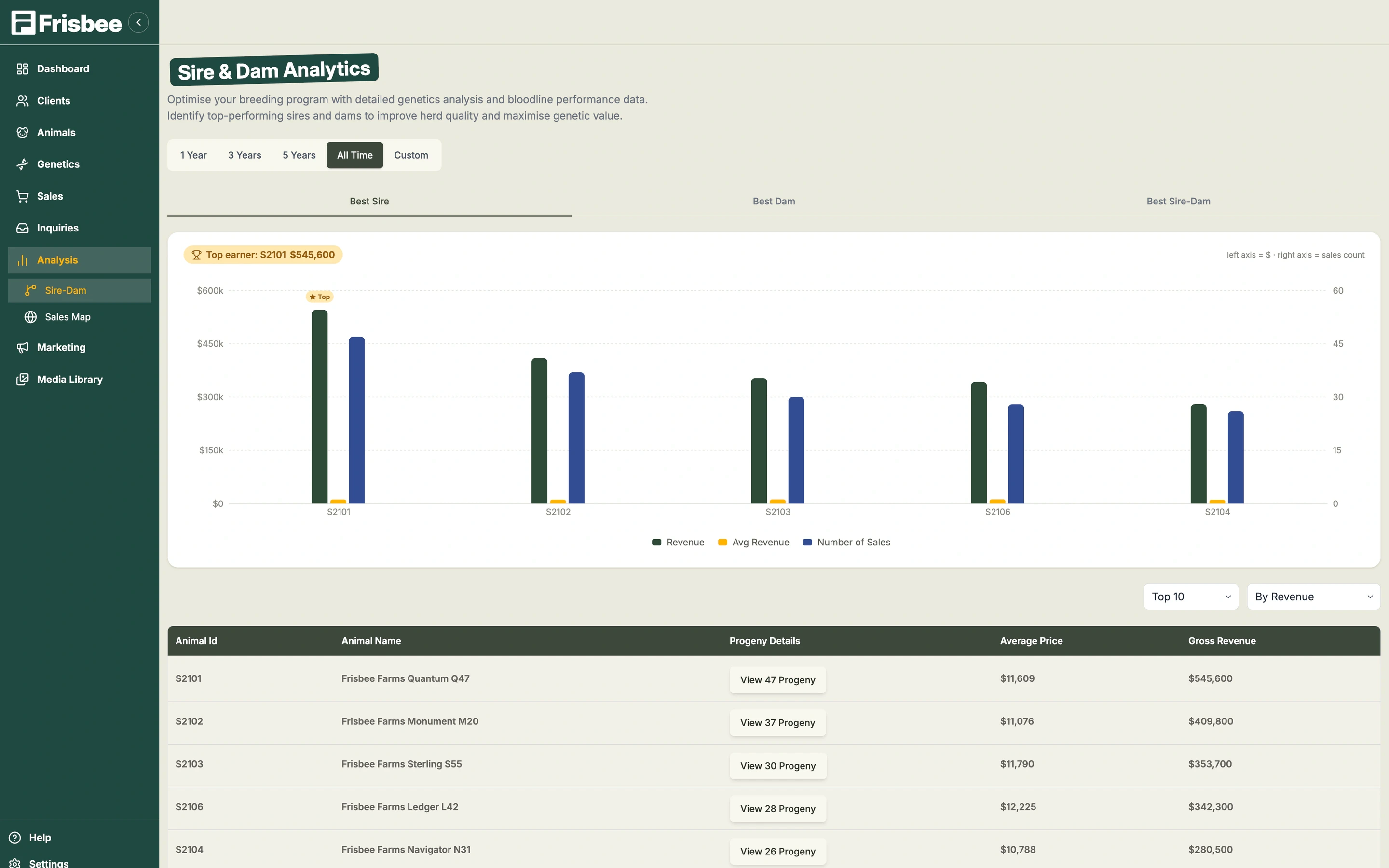
Estimated Breeding Values (EBVs) accelerate genetic progress by 2-3 times compared to visual selection alone, according to research from the Agricultural Business Research Institute (ABRI). Yet many Australian stud breeders still struggle to fully harness this powerful tool for their breeding programs.
Genetics is a numbers game. But raw data is useless if you can’t visualise it, compare it effectively, and translate it into confident breeding decisions. Whether you’re focusing on growth rates, carcase traits, maternal characteristics, or fertility, you need tools and knowledge that help you make the hard selection decisions.
This guide covers everything you need to know about using EBVs effectively in your breeding program - from understanding how they’re calculated to applying them in real-world selection scenarios.
What Are EBVs and How Are They Calculated?
Estimated Breeding Values (EBVs) predict the genetic merit an animal will pass to its offspring. Unlike raw measurements that include both genetic and environmental effects, EBVs isolate the genetic component - giving you a clearer picture of an animal’s true breeding worth.
The Science Behind EBVs
EBVs are calculated using Best Linear Unbiased Prediction (BLUP), a statistical method that accounts for:
- Pedigree relationships: How an animal is related to others with known performance
- Own performance: The animal’s individual measurements
- Progeny performance: How its offspring have performed
- Contemporary group effects: Environmental factors shared by animals measured together
- Genetic parameters: Heritability and genetic correlations between traits
The result is a prediction expressed in the units of the trait. For example, a 200-day weight EBV of +35 kg means the animal’s progeny are expected to be 35 kg heavier at 200 days than progeny of a bull with an EBV of zero (the breed base).
Understanding Accuracy
Every EBV comes with an accuracy figure, expressed as a percentage. This tells you how much confidence to place in the prediction:
| Accuracy Range | What It Means |
|---|---|
| Less than 50% | Early estimate based mainly on pedigree; could change significantly |
| 50-74% | Moderate confidence; some own or progeny data included |
| 75-90% | Good confidence; substantial data supporting the estimate |
| Above 90% | High confidence; extensive progeny data; unlikely to change much |
Key insight: A high EBV with low accuracy is a gamble. A moderate EBV with high accuracy is a reliable prediction. Consider both figures together when making selection decisions.
BREEDPLAN and LAMBPLAN: Australia’s Genetic Evaluation Systems
Australian livestock producers benefit from world-leading genetic evaluation systems tailored to local breeds and conditions.
BREEDPLAN for Cattle
BREEDPLAN, administered by ABRI, provides EBVs for most beef cattle breeds in Australia. Common BREEDPLAN EBVs include:
Growth Traits:
- Birth Weight (BW): Calving ease indicator
- 200-Day Weight: Pre-weaning growth
- 400-Day Weight: Post-weaning growth
- 600-Day Weight: Mature size indicator
- Mature Cow Weight: Adult size
Fertility Traits:
- Days to Calving: Reproductive efficiency
- Scrotal Size: Male fertility indicator
Carcase Traits:
- Eye Muscle Area (EMA): Muscling
- Rib Fat & Rump Fat: Fat cover
- Intramuscular Fat (IMF): Marbling potential
- Retail Beef Yield: Saleable meat percentage
LAMBPLAN and MERINOSELECT for Sheep
For sheep producers, Sheep Genetics provides:
LAMBPLAN (terminal and maternal breeds):
- Post-Weaning Weight
- Eye Muscle Depth
- Fat Depth
- Worm Egg Count (WEC)
- Number of Lambs Weaned (NLW)
MERINOSELECT (Merino and Merino-type breeds):
- Fleece Weight
- Fibre Diameter (Micron)
- Coefficient of Variation of Fibre Diameter
- Staple Strength
- Body Weight
Selection Indexes: Simplifying Complex Decisions
Both systems offer selection indexes that combine multiple EBVs into a single figure based on breeding objectives:
Cattle Examples:
- Self-Replacing Index: Balanced maternal and growth
- Heavy Grass-Fed Steer Index: Growth emphasis for feedlot finishing
- Angus Breeding Index (ABI): Breed-specific balanced selection
Sheep Examples:
- Maternal Index: Fertility and lamb survival focus
- Terminal Sire Index: Carcase and growth emphasis
- Merino Production Plus Index: Wool and meat combination
Indexes save time by weighting traits appropriately for defined breeding objectives. They’re particularly valuable when you’re balancing multiple, sometimes competing, traits.
Practical Application: Using EBVs in Breeding Decisions
Scenario 1: Selecting Bulls for a Commercial Herd
A commercial producer joining 200 cows needs bulls that will produce calves that finish efficiently and grade well at the meatworks. Here’s a structured approach:
- Define objectives: Fast growth, good carcase traits, moderate birth weight for calving ease
- Set minimum standards: Birth Weight EBV below breed average, 400-Day Weight in top 30%, EMA above breed average
- Use indexes: Rank candidates on Heavy Grass-Fed Steer Index or similar
- Consider accuracy: Prioritise bulls with at least 60% accuracy on key traits
- Verify structure: Use EBVs to shortlist, then assess structural soundness
Scenario 2: Selecting Replacement Females
When selecting heifers to retain, maternal traits become crucial:
- Days to Calving: Lower is better - indicates earlier conception
- Milk EBV: Moderate - enough for calf growth, not excessive maintenance
- Mature Cow Weight: Moderate - balance efficiency with mature size
- Calving Ease (Direct): Positive - reduces calving difficulty in first-calf heifers
Scenario 3: Stud Sire Selection
Stud breeders face additional complexity - they’re not just producing commercial animals but influencing the next generation of the breed:
- Consider your clients: What do your bull buyers need?
- Differentiate: Where can you lead the breed?
- Balance extremes: Very high or low EBVs often come with correlated risks
- Think long-term: One generation’s selection shapes years of breeding
Visualising and Comparing EBV Data
Raw EBV tables are hard to interpret quickly. Effective visualisation transforms data into decisions.
What Good EBV Visualisation Looks Like
Comparison Charts: Side-by-side comparison of candidates across key traits, showing both EBV values and accuracy.
Trend Analysis: How has your herd average changed over time? Are you making progress on target traits?
Percentile Rankings: Where does an animal sit relative to the breed? Top 1%? Top 25%? Below average?
Scatter Plots: Plot two traits against each other to identify animals that excel in both - or reveal trade-offs.
Common Visualisation Mistakes
- Ignoring accuracy: Ranking purely on EBV value without considering reliability
- Single-trait focus: Missing correlated effects on other important traits
- Outdated data: Using EBVs from old catalogues when current figures are available
- Wrong comparison: Comparing EBVs across breeds (they’re calculated within breed)
Common EBV Mistakes That Cost Money
Mistake 1: Chasing Single Traits
Selecting heavily on one trait often moves others unfavourably. Growth rate selection can increase birth weight and calving difficulty. Pushing milk can reduce cow efficiency. Balance matters.
The fix: Use selection indexes or limit selection to 2-3 key traits while monitoring correlated traits.
Mistake 2: Ignoring Accuracy
A bull with a +60 kg 600-Day Weight EBV at 35% accuracy might end up anywhere from +20 to +100 as more data arrives. That’s not a reliable foundation for breeding decisions.
The fix: For important sire selections, prioritise animals with higher accuracy or wait for more progeny data.
Mistake 3: Outdated EBVs
BREEDPLAN and LAMBPLAN run evaluations multiple times annually. EBVs can shift substantially with new data. Last year’s catalogue figures may be significantly different from current values.
The fix: Check current EBVs on breed society databases before making decisions. Use software that automatically imports updated figures.
Mistake 4: Not Recording Data
EBVs depend on data submitted to breed societies. The more performance data in the system - weights, scans, calving records - the more accurate EBVs become for everyone.
The fix: Record systematically. Submit all data, not just from “good” animals. Consider that your own animals’ EBVs suffer when you don’t contribute data.
The Future: Genomics and Enhanced EBVs
Genomic testing is accelerating EBV accuracy and enabling earlier selection:
- Genomic-enhanced EBVs (GEBVs): DNA test results incorporated into genetic evaluations, lifting accuracy significantly - especially for young animals
- New traits: Genomics enables selection for traits previously hard to measure, including feed efficiency, disease resistance, and polledness
- Earlier selection: Higher accuracy at birth means identifying potential sires earlier and shortening generation intervals
The cost of genomic testing has dropped dramatically. For many studs, testing all animals born is now economically justified.
Getting Started: Building Your EBV Management System
Effective EBV management requires:
- Centralised records: One system holding all animal data, pedigrees, and EBVs
- Regular updates: Process from breed societies promptly after each evaluation run
- Visual tools: Charts and comparisons that reveal insights in raw data
- Historical tracking: See how individual animals and herd averages change over time
- Integration: EBVs connected to breeding records, selection decisions, and sale catalogues
The days of flipping through printed breed society catalogues are ending. Modern livestock software brings EBV data to life - making it searchable, sortable, visual, and actionable.
The Bottom Line
EBVs are the most powerful tool available for genetic improvement. Used correctly, they accelerate progress dramatically. Used poorly - or not at all - they leave genetic potential unrealised and money on the table.
The producers achieving the fastest genetic gains aren’t necessarily those with the biggest budgets. They’re the ones treating EBV management as a serious, systematic discipline: recording data, keeping records current, understanding accuracy, using indexes appropriately, and making evidence-based decisions.
Your genetics are your legacy. Give them the analytical tools they deserve.
Ready to take control of your genetic data?
Frisbee helps you visualise, compare, and act on your EBV data with confidence. Import from breed societies, track trends, and make evidence-based breeding decisions.
See How Frisbee Handles EBV Management
Related reading:
- 5 EBV Mistakes That Cost Australian Producers Money
- Boost Your Stud’s Bottom Line: Smarter EBV Record Keeping
- What are EBVs? (Glossary)
- What is BREEDPLAN?
- Animal Management Software
Tagged
Run a sharper stud, on one platform.
Genetics, sales, clients and marketing — without the spreadsheet sprawl. Built for Australian cattle and sheep producers.
Get started with FrisbeeKeep reading
View all →
Why Owning Your Breeding Data Is Crucial for Stud Success
Stud breeders cannot afford records that are scattered or held by someone else. Why owning your breeding data is a real competitive advantage.
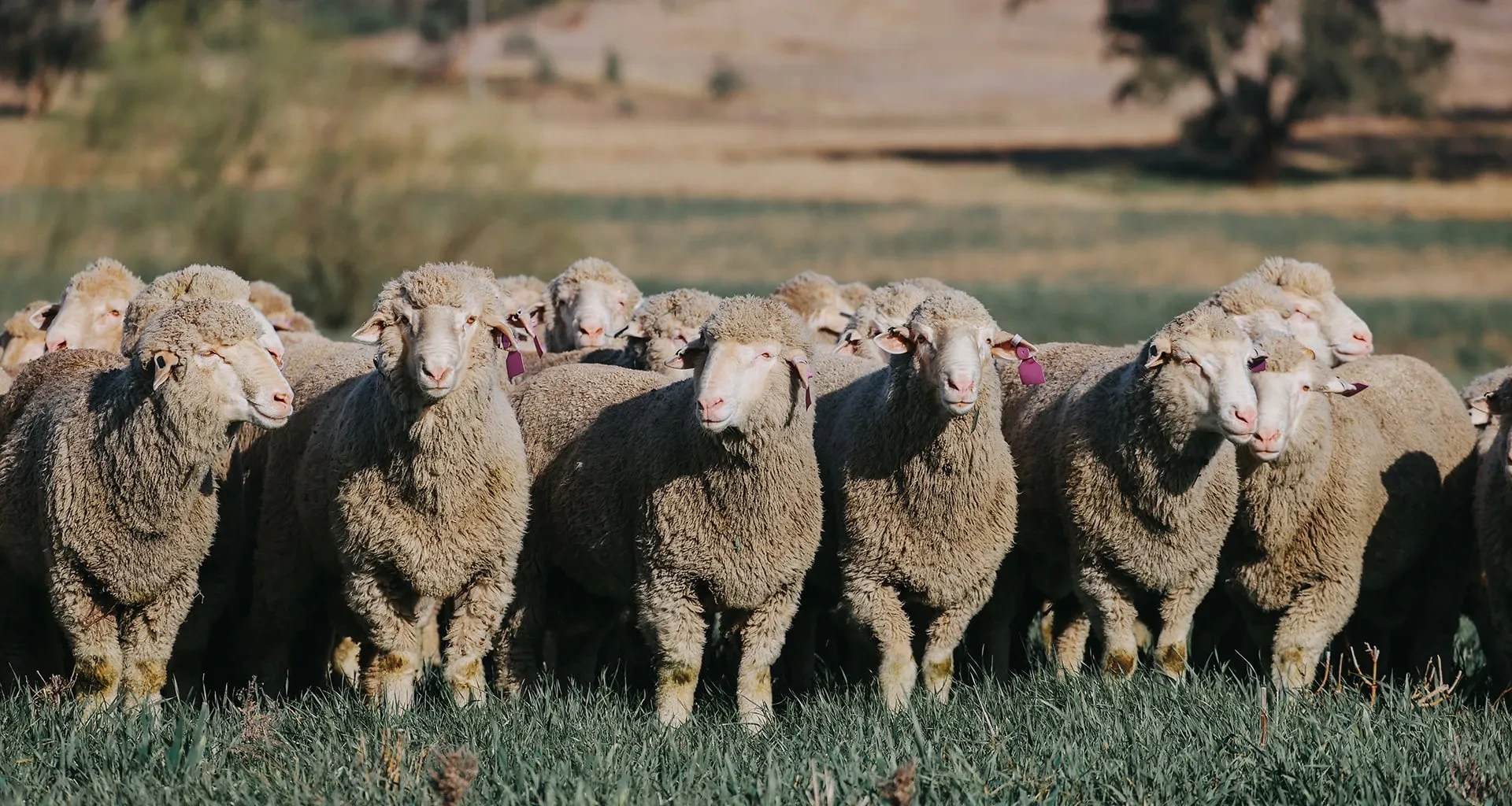
5 EBV Mistakes That Cost Australian Producers Money
The five biggest EBV mistakes Australian cattle and sheep producers make, why each one costs money, and how to avoid them.
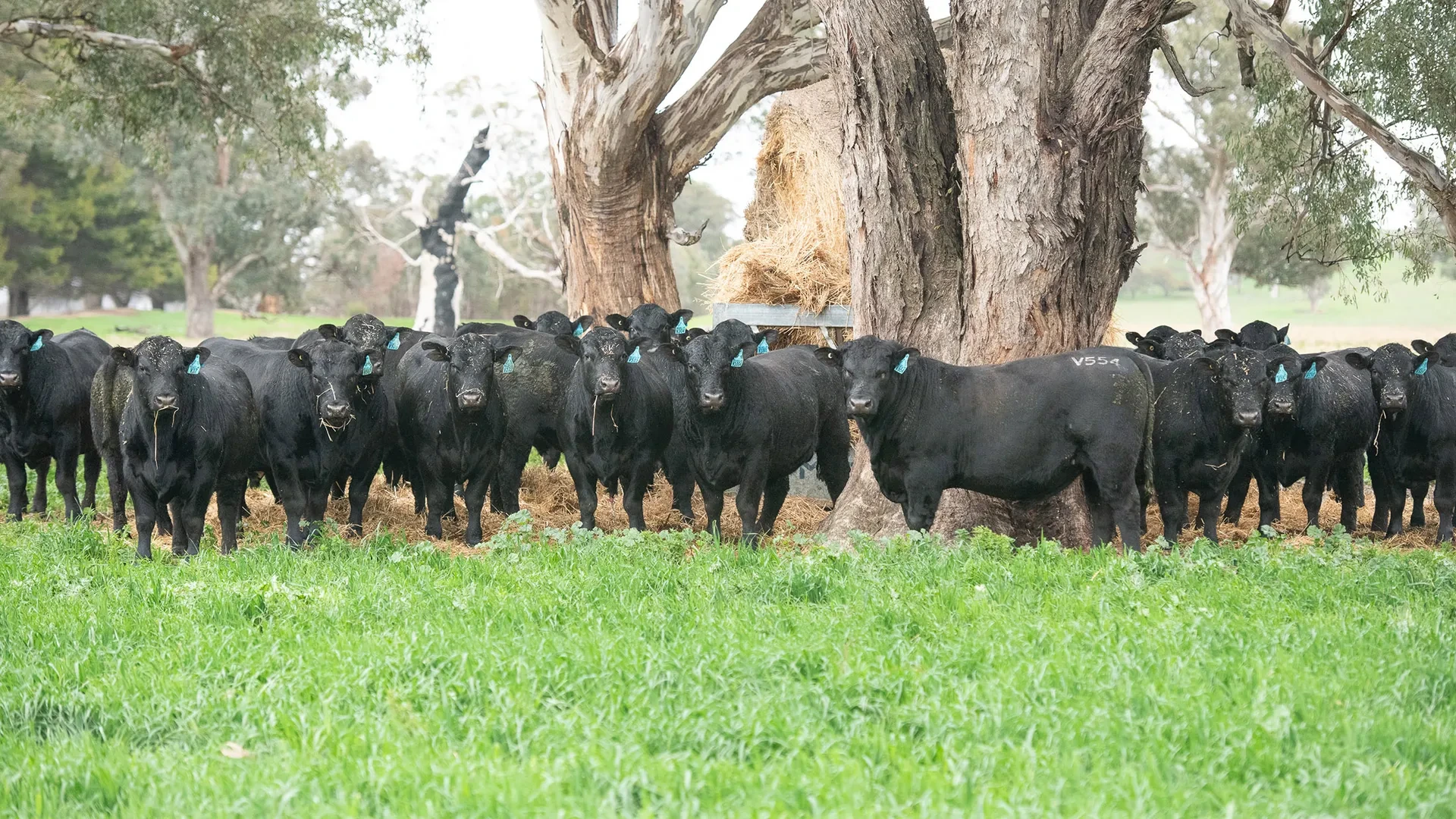
Smarter Stud Decisions: How AI Is Changing the Breeding Game
AI is helping Australian stud breeders make sharper, faster, more profitable breeding decisions. Here is how these tools give breeders the edge.
Run your stud on Frisbee
CRM, sale catalogues, and marketing campaigns in one place, purpose-built for Australian cattle and sheep studs.
14-day free trial · No credit card required