
5 EBV Mistakes That Cost Australian Producers Money
The five biggest EBV mistakes Australian cattle and sheep producers make, why each one costs money, and how to avoid them.
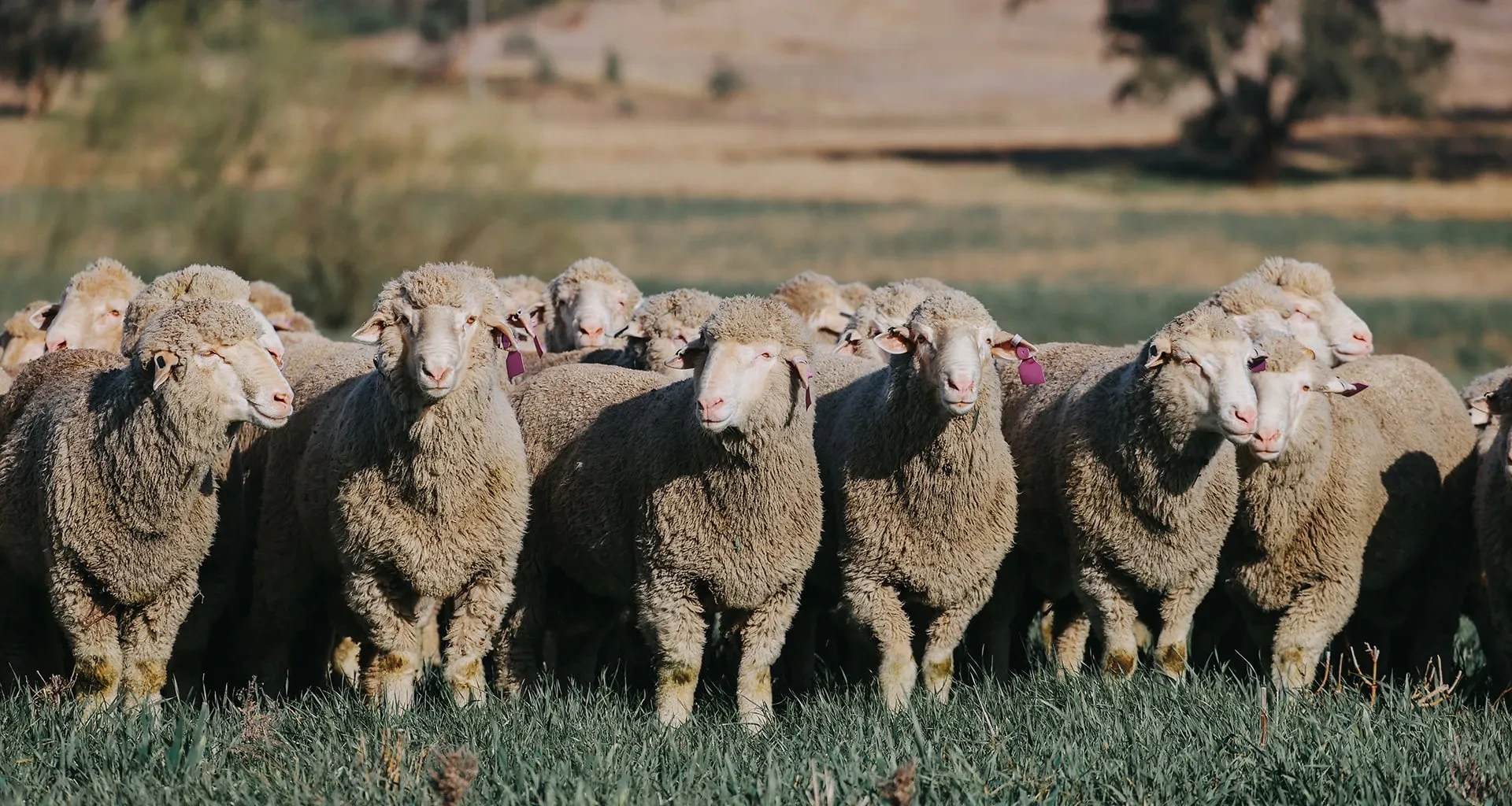
Estimated Breeding Values (EBVs) accelerate genetic progress by 2-3 times compared to visual selection alone, according to research from ABRI (Agricultural Business Research Institute). Yet many producers make avoidable mistakes that undermine this powerful tool - potentially costing thousands in suboptimal breeding decisions and slower genetic progress.
EBVs give us objective measures of genetic merit, help us predict progeny performance, and guide selection decisions worth substantial money. BREEDPLAN estimates that Australian beef industry genetic improvement contributes over $100 million annually to producer returns.
But EBVs are only as good as how you use them.
Over years of working with Australian cattle and sheep producers, I’ve seen the same mistakes crop up again and again. Mistakes that cost money, slow genetic progress, and sometimes cause breeders to give up on EBVs altogether.
Here are the five biggest - and how to avoid them.
Mistake #1: Selecting on Single Traits
The trap is obvious in hindsight: “I want heavy calves, so I’ll select purely on 600-day weight EBV.”
The problem? Traits are genetically correlated. Pushing hard on one often affects others:
- Selecting heavily for growth can increase birth weight and calving difficulty
- Focusing only on milk can reduce cow efficiency
- Maximising carcase weight might sacrifice fertility
The fix: Use selection indexes designed for your breeding objective. Indexes like BREEDPLAN’s Self Replacing Index or Terminal Index balance multiple traits appropriately. If you must select on individual EBVs, limit yourself to 2-3 that matter most for your market, and monitor correlated traits.
Mistake #2: Ignoring Accuracy
Not all EBVs are created equal. An EBV with 30% accuracy is a rough estimate. An EBV with 90% accuracy is highly reliable. Yet many producers treat them identically.
Why it matters:
- Low-accuracy EBVs can change significantly as more data arrives
- A “high” EBV with low accuracy might be average once accuracy improves
- Young animals always have lower accuracy than proven sires
The fix:
- When comparing animals, consider accuracy alongside the EBV value
- For important sires, prefer higher-accuracy animals or wait for more progeny data
- Understand that accuracy improves as more data (weights, progeny performance) is recorded – so record everything!
Mistake #3: Comparing Across Breeds or Systems
“This Angus bull has a +65 400-day weight. This Hereford has +45. The Angus must be genetically superior for growth.”
Wrong. EBVs are calculated within breed. They can’t be directly compared across breeds because:
- Different base populations
- Different trait definitions
- Different genetic parameters
The same applies to different genetic evaluation systems. BREEDPLAN cattle EBVs don’t compare directly to LAMBPLAN sheep EBVs, even for similar traits.
The fix: Only compare EBVs for animals evaluated in the same breed and genetic evaluation system. For cross-breed decisions, look at actual performance data or breed-adjusted figures where available.
Mistake #4: Outdated EBV Records
BREEDPLAN and LAMBPLAN run genetic evaluations multiple times per year. Each run incorporates new data and can significantly change individual EBVs.
Yet many producers make selection decisions based on EBVs from catalogues printed months ago, or from records they haven’t updated since they bought the animal.
Why it matters:
- A bull’s EBV can shift substantially as progeny data comes in
- An animal that looked exceptional might now be average
- Current EBVs are always more accurate than old ones
The fix:
- Update your records after each genetic evaluation run
- Check current EBVs on breed society databases before major decisions
- Use software that automatically imports updated EBVs
Mistake #5: Not Recording Data
This is the biggest mistake of all – and it’s self-reinforcing.
EBVs depend on data. The more data in the system, the more accurate EBVs become for everyone. Yet many producers:
- Don’t record weights at standard ages
- Skip scanning or carcase data collection
- Fail to report progeny performance
- Only submit data for “good” animals
Every missing data point makes EBVs less reliable – for your animals and the breed as a whole.
Why it matters:
- Your own animals’ EBVs are less accurate
- You can’t assess genetic progress in your herd
- The whole breed’s genetic evaluation suffers
- Your buying decisions are based on less reliable numbers
The fix:
- Record weights at standard ages (birth, weaning, yearling, etc.)
- Submit all data, not just the good results
- Record progeny performance systematically
- Use software that makes recording easy and exports data for breed society submission
The Compounding Effect
These mistakes don’t operate in isolation. They compound:
- You select on single traits (Mistake #1) using outdated EBVs (Mistake #4) with low accuracy (Mistake #2) because you’re not recording enough data (Mistake #5).
The result? Selection decisions that look good on paper but don’t deliver expected results in progeny performance.
Meanwhile, the producers who avoid these mistakes – recording data, understanding accuracy, using indexes, keeping records current – steadily pull ahead genetically.
Getting It Right
EBVs are genuinely powerful tools. Used correctly, they accelerate genetic progress dramatically. Here’s the simple checklist:
- Use selection indexes or balance 2-3 key traits
- Consider accuracy especially for young or unproven animals
- Only compare within breed/system
- Keep EBV records current with each evaluation run
- Record everything – weights, scanning, progeny, the lot
The producers who treat EBVs as a serious, ongoing discipline rather than a box to tick consistently out-breed those who don’t.
Want to get your EBV management right?
Frisbee helps you track and display your EBV data, makes recording weights and performance easy, and helps you use genetic data effectively in your breeding decisions.
See How Frisbee Handles EBV Management
Related reading:
- Data-Driven Decisions: Unlocking the Power of EBVs
- Boost Your Stud’s Bottom Line: Smarter EBV Record Keeping
Tagged
Run a sharper stud, on one platform.
Genetics, sales, clients and marketing — without the spreadsheet sprawl. Built for Australian cattle and sheep producers.
Get started with FrisbeeKeep reading
View all →
Why Owning Your Breeding Data Is Crucial for Stud Success
Stud breeders cannot afford records that are scattered or held by someone else. Why owning your breeding data is a real competitive advantage.
Smarter Stud Decisions: How AI Is Changing the Breeding Game
AI is helping Australian stud breeders make sharper, faster, more profitable breeding decisions. Here is how these tools give breeders the edge.
Boost Your Stud's Bottom Line: Smarter EBV Record Keeping
How proper EBV record keeping helps you breed better, market smarter, and keep clients happy, so you get top dollar for your stud stock.
Run your stud on Frisbee
CRM, sale catalogues, and marketing campaigns in one place, purpose-built for Australian cattle and sheep studs.
14-day free trial · No credit card required