
Ditch the Notebook: Centralised Animal Management for Studs
Australian studs lose hours each week to scattered records. How centralised digital animal management cuts admin time and costly errors.
Australian stud operations lose an estimated 5-10 hours weekly to inefficient record-keeping according to industry surveys - time spent hunting for information, re-entering data, and reconciling conflicting records. That’s 250-500 hours annually that could be spent on breeding decisions, client relationships, or simply enjoying life outside the office.
If you’re still managing your stud herd using a combination of whiteboard scribbles, crumpled notebooks, and five different Excel spreadsheets, you aren’t alone - but you are working harder than you need to.
At Frisbee, we believe your data should be as high-quality as your genetics. That’s why we built our Animal Management feature to be the single source of truth for your operation.
The Hidden Cost of Scattered Records
Before exploring the solution, let’s acknowledge the problem. Scattered record-keeping costs studs in ways that aren’t always obvious:
Time Costs
Finding information: Average time to locate a specific animal’s complete history when records are in multiple places? 15-30 minutes. In a centralised system? Under 30 seconds.
Double entry: The same birth weight entered in your notebook, breed society portal, spreadsheet for sale prep, and client inquiry responses. Four entries of the same data, four opportunities for error.
Reconciliation: “Wait, the spreadsheet says this cow calved on the 15th but the notebook says the 12th…” Hours spent resolving conflicts between incompatible records.
Preparing for sales: Assembling catalogue information from scattered sources is the leading cause of sale-prep stress for stud breeders.
Error Costs
A single pedigree error caught by a buyer can cost thousands in damaged reputation. A treatment record omission can breach compliance. A wrong EBV in a catalogue undermines buyer confidence in your entire operation.
Research suggests manual data entry error rates run 1-3%. When you’re entering the same data multiple times across different systems, those errors compound.
Opportunity Costs
While you’re searching for records, you’re not:
- Having conversations with potential buyers
- Making breeding decisions based on complete data
- Analysing herd performance trends
- Enjoying time with family
Real Scenarios: When Paper Systems Fail
The Buyer Phone Call
A buyer calls asking about a bull in your catalogue. You’re in the paddock. The catalogue PDF is on your computer. The full pedigree details are in a spreadsheet somewhere. His sire’s progeny performance? You’d need to pull multiple breed society reports.
“I’ll call you back” is often the honest answer - but by then, the buyer may have moved on to another stud that could answer immediately.
With centralised management: Pull up the bull’s complete profile on your phone. Pedigree, EBVs, photos, progeny list, treatment history - everything accessible in seconds.
The Compliance Question
A client reports an animal health issue and wants to know when and what treatments the animal received while in your care. Your treatment records are in a notebook… somewhere in the office. Or was it that other notebook?
With centralised management: Every treatment recorded against the animal’s digital profile, with product, dose, date, and withholding period tracked automatically.
The Succession Challenge
The principal breeder retires or becomes unable to work. Decades of breeding knowledge - which bloodlines work, which cows are easy calvers, which sire’s progeny perform - lives only in their memory.
With centralised management: Observations, notes, and decisions documented against animal records. Knowledge transfers with the data, not just with the person.
The Sale Catalogue Crisis
Two weeks before sale. You need photos, EBVs, pedigrees, and descriptions for 40 bulls. Photos are on your phone (or was it the old phone?). EBVs need downloading from the breed society. Pedigrees need verifying. And the catalogue needs designing from scratch.
With centralised management: Animals selected for sale, data already in place, photos attached to records, catalogue generated with a few clicks.
More Than Just a List: What Centralised Management Looks Like
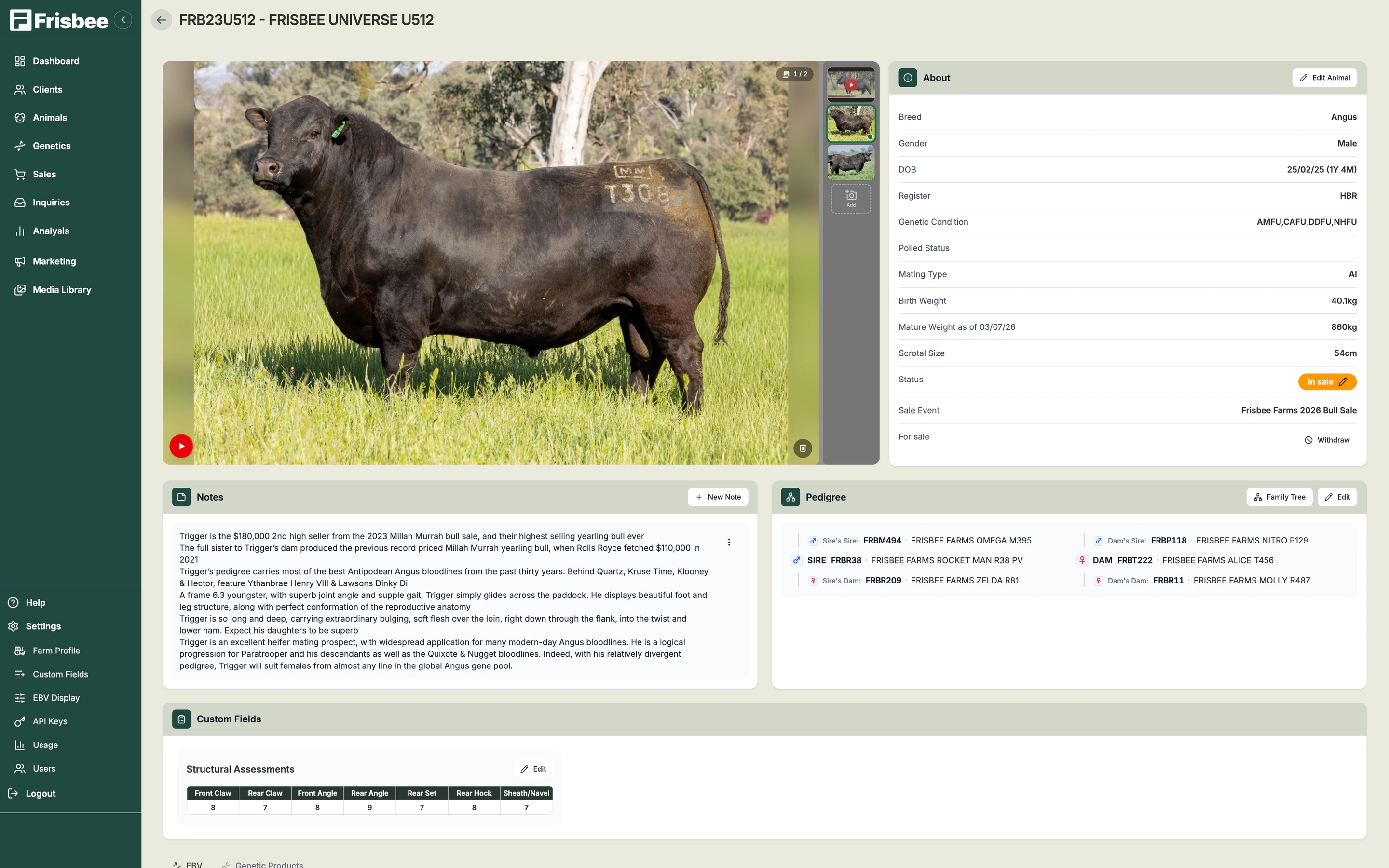
Frisbee doesn’t just list your animals; it builds a comprehensive digital profile for every head of livestock you own.
Complete Lifecycle Tracking
From the moment an animal is born (or purchased), through every event in their life, to final disposal:
- Birth details: Date, dam, sire, birth weight, calving ease, twin status
- Growth records: Weights at standard ages, average daily gains
- Breeding events: Joinings, pregnancy testing, AI records, embryo transfers
- Health treatments: Products used, doses, dates, withholding periods
- Observations: Temperament, structure notes, condition scores
- Disposal: Sale details or death records with cause
Every piece of information in one place, linked to one animal record.
Visual Pedigrees
Instantly see sire and dam links across multiple generations without digging through filing cabinets or cross-referencing spreadsheets:
- Three-generation pedigree view at a glance
- Click through to any ancestor’s complete profile
- Inbreeding coefficient calculations where relevant
- Full progeny lists with performance summaries
Media Library
Your phone captures photos constantly. A promising calf. A conformational concern. A vet document. Without a system, these images scatter across camera rolls, cloud folders, and email attachments.
With Frisbee:
- Snap a photo and attach it directly to the animal’s profile
- Tag images by type (conformation, health, marketing)
- Build visual histories showing development over time
- Access the right photo instantly when a buyer asks
Searchable, Filterable, Sortable
Need to find all bulls born in 2024 with 400-day weight EBVs above breed average whose dams had greater than 95% calving ease?
In spreadsheets, that query takes significant formula work or manual filtering across multiple tabs.
In centralised software, it’s a few clicks: filter, sort, done. Your shortlist appears instantly.
Why It Matters for Buyers
When a buyer asks about a specific animal, you shouldn’t have to say, “Let me get back to you.”
With Frisbee, you pull up the profile, show them:
- Complete history
- Health records
- Pedigree details
- Performance data
- Photos from birth to current
On the spot. From your phone. While standing in the paddock.
That’s professionalism. And professionalism sells.
Buyers Increasingly Expect Digital Access
The next generation of livestock buyers has grown up with instant information access. They compare genetics across studs online before making inquiries. They expect:
- Professional digital catalogues with complete information
- Quick responses to enquiries with data to back claims
- Transparent records that build confidence in your genetics
Studs still operating from notebooks look outdated by comparison - regardless of the quality of their genetics.
The Benefits of Centralised Management
| Scattered Records | Centralised System |
|---|---|
| Hours finding information | Seconds to access any record |
| Data entered multiple times | Single entry, used everywhere |
| Conflicting versions of truth | One authoritative source |
| Knowledge in people’s heads | Knowledge documented and transferable |
| Sale prep takes weeks | Sale prep streamlined |
| Compliance relies on memory | Compliance automated |
| Professional appearance varies | Consistent professional presentation |
Time Savings
Studs consistently report saving 5-10 hours weekly after moving to centralised management. That’s:
- 250-500 hours annually
- 6-12 full working weeks
- Time redirected to breeding, marketing, or life outside work
Error Reduction
Single source of truth means:
- No conflicting records to reconcile
- Single entry eliminates re-keying errors
- Validation catches mistakes at entry
- Audit trails show what changed and when
Decision Quality
When all data is accessible and connected:
- Breeding decisions draw on complete herd history
- Culling choices consider full performance records
- Sale selections based on objective data
- Client recommendations backed by evidence
Business Continuity
Your operation’s knowledge isn’t dependent on any individual:
- Staff changes don’t mean lost information
- Succession planning includes data handover
- Team members can serve clients independently
- Records persist regardless of personnel
Making the Transition
Moving from notebooks to digital management is an investment, but it doesn’t have to be overwhelming.
Phase 1: Start with Current Animals
Begin by entering your current breeding animals. Get their basic details, ID numbers, and pedigrees into the system. Don’t worry about historical records initially.
Phase 2: Capture New Events
Start recording events - births, weights, treatments - in the new system as they happen. Build the habit of digital-first recording.
Phase 3: Import Historical Data
As time permits, bring in historical records. Many studs import from existing spreadsheets. Focus on records you actually use - not every historical data point needs migrating.
Phase 4: Leverage the System
Once data is flowing, use the tools:
- Generate reports that were previously impossible
- Prepare sale catalogues with minimal effort
- Answer buyer enquiries instantly
- Analyse herd performance trends
Tips for Successful Transition
Involve your team: Anyone who enters or needs data should be part of the transition. System success depends on consistent use.
Keep it simple initially: Don’t try to use every feature immediately. Master the basics before adding complexity.
Maintain discipline: The system only works if data goes into it. Make digital recording the default, not an afterthought.
Use mobile: Record in the paddock, not back at the office. Mobile access is key to making centralised management actually work.
Your Herd Data Becomes Accessible Everywhere
With cloud-based centralised management, your data is accessible wherever you are:
- In the yards during processing
- At the sales complex
- On a property visit with a potential buyer
- At the kitchen table reviewing breeding plans
- On the road between properties
No more “I’ll check when I get back to the office.” The office is wherever you are.
Your whole team - whether you’re a family operation or have employed staff - sees the same data. Updates made by anyone are visible to everyone. No more “did you update the spreadsheet?”
Secure and Protected
Paper records burn, flood, or simply get lost. Spreadsheets on a computer die when that computer dies.
Cloud-based centralised management means:
- Automatic backups protecting against data loss
- Access from any device if your primary device fails
- Security measures protecting sensitive business information
- Data that outlasts any individual computer or notebook
Your breeding data represents years - often generations - of work. It deserves better protection than a filing cabinet or hard drive.
The Bottom Line
Centralised animal management isn’t about loving technology. It’s about:
- Getting time back: Hours saved weekly compound into weeks saved annually
- Reducing errors: Single source of truth eliminates conflicting records
- Impressing buyers: Professional, instant access to complete information
- Building value: Documented knowledge that transfers with your business
- Reducing stress: Sale prep and compliance handled systematically
Your genetics are world-class. Your record-keeping should match.
Ready to modernise your herd management?
Frisbee gives you the tools to track, manage, and showcase your livestock like never before - all from one intuitive platform.
Related reading:
- Cattle Breeding Software vs Spreadsheets: When to Make the Switch
- Mobile Livestock Management: Running Your Stud From Your Phone
Tagged
Run a sharper stud, on one platform.
Genetics, sales, clients and marketing — without the spreadsheet sprawl. Built for Australian cattle and sheep producers.
Get started with FrisbeeKeep reading
View all →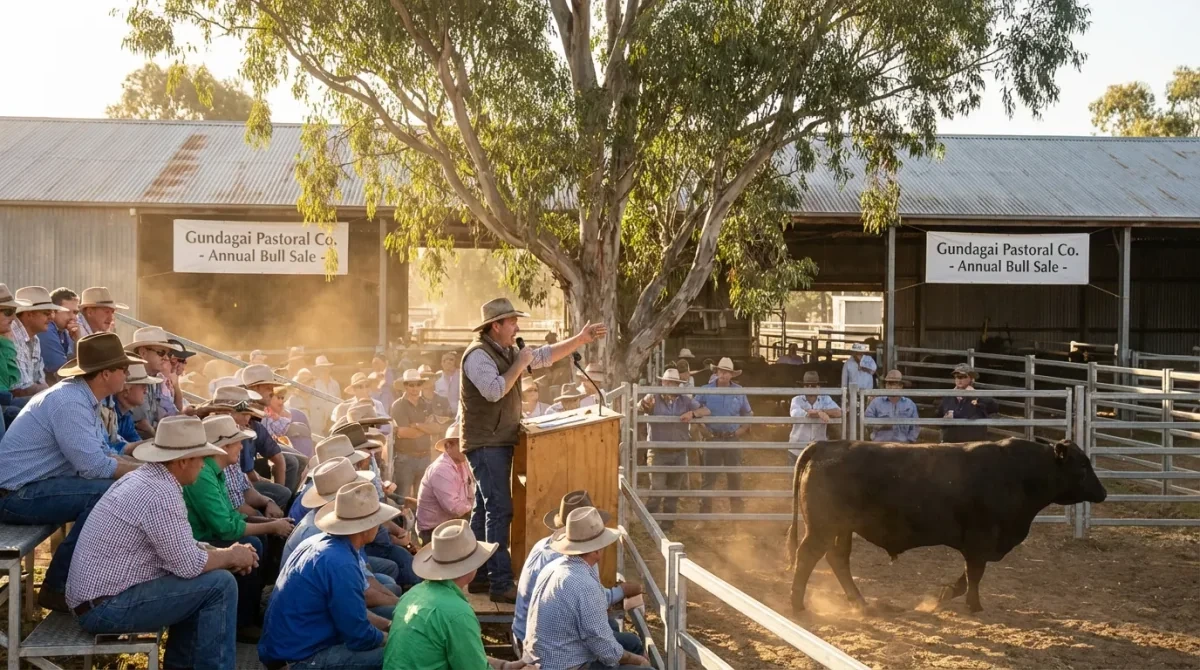
The Best EID and NLIS Tag Readers in Australia: 2026 Buying Guide
Compare current Gallagher, Tru-Test, Allflex and Shearwell EID and NLIS tag readers in Australia on price, battery, memory, and iPhone pairing.
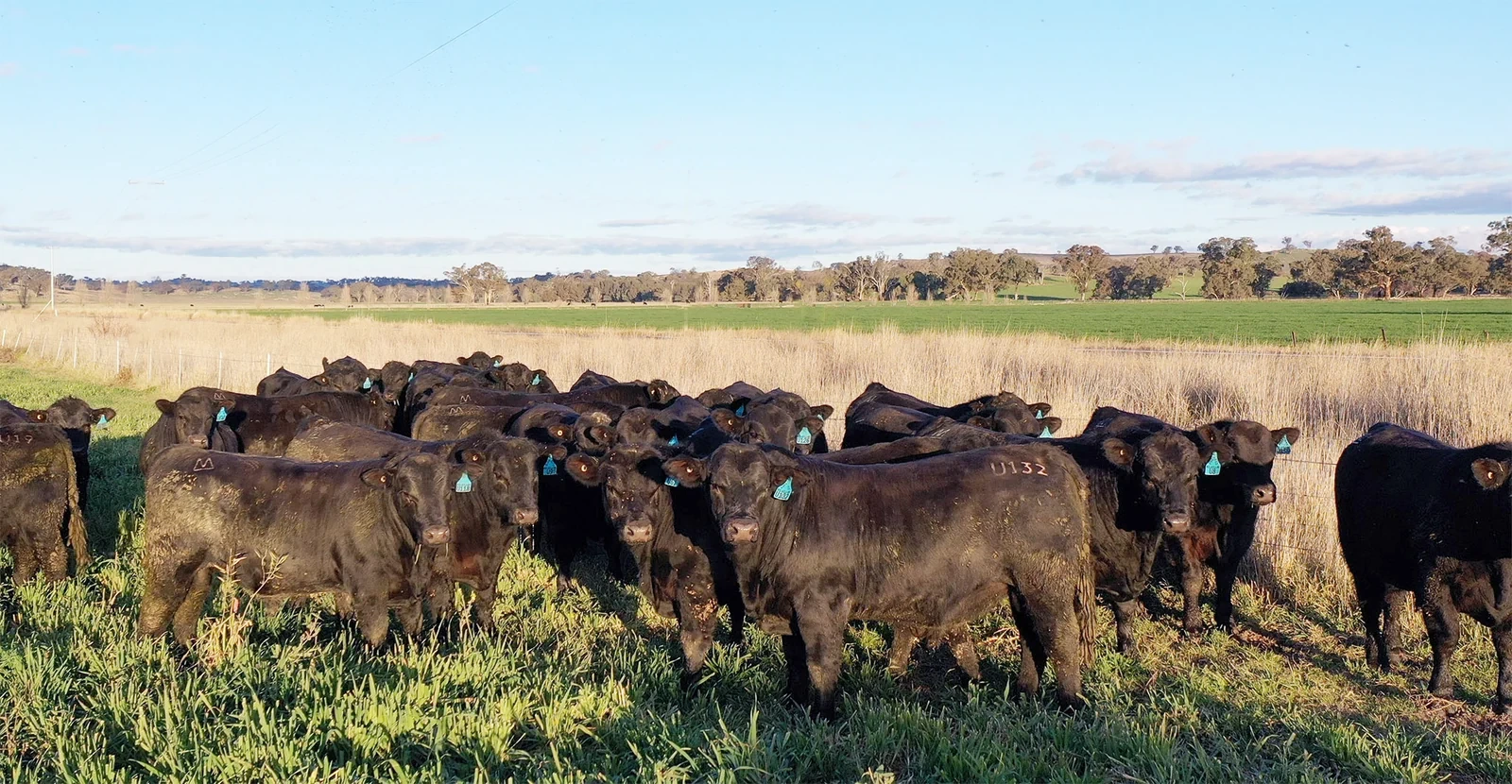
Livestock Ear Tag Colours in Australia: Complete Guide
A guide to livestock ear tag colours in Australia, covering NLIS sheep colours by year, cattle breeder and post-breeder tags, and state rules.
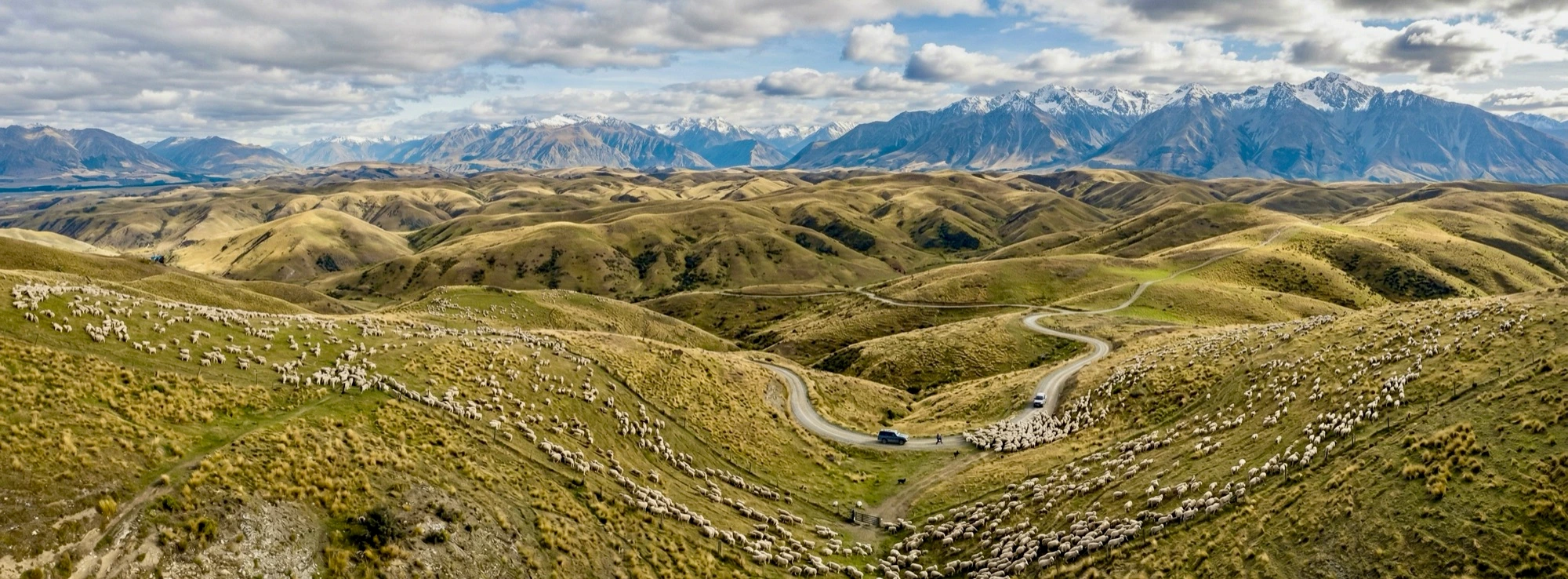
Sheep Pregnancy Scanning: The Complete Australian Guide
A complete guide to sheep pregnancy scanning in Australia: why and when to scan, wet and dry versus multiples, costs per head, and recording results.
Run your stud on Frisbee
CRM, sale catalogues, and marketing campaigns in one place, purpose-built for Australian cattle and sheep studs.
14-day free trial · No credit card required